Key Takeaways:
- Fire Ignition: Dry brush acts as a ladder fuel, allowing ground fires to climb into the tree canopy.
- Pest Breeding: Overgrowth provides the perfect habitat for ticks, snakes, and rodents near your home.
- Property Damage: Invasive vines and thickets can trap moisture against structures, leading to rot.
- Drainage Issues: Unmanaged vegetation clogs natural swales and drainage paths, causing ponding.
- Professional Mulching: Forestry mulching is the most efficient way to clear brush without disturbing topsoil.
Habersham County, Georgia, is celebrated for its rolling hills, dense forests, and the natural beauty of the Blue Ridge foothills. However, for property owners in Cornelia, Clarkesville, and Turnerville, this vibrant growth can quickly turn from a scenic asset into a structural and safety liability. In our humid Georgia climate, undergrowth doesn’t just grow; it explodes. What starts as a small patch of briars and saplings can, within a few seasons, become an impenetrable thicket of overgrown brush.
When we talk about a brush, we aren’t just discussing unkept grass. We are talking about a complex mix of invasive vines like Kudzu, woody shrubs, saplings, and dead organic matter. When left unmanaged, this vegetation poses significant risks to your home, your health, and the native ecosystem of Northeast Georgia. Understanding when your brush has crossed the line from natural to hazardous is the first step in protecting your investment.
The Ladder Fuel Effect: Fire Risks in Northeast Georgia
One of the most critical hazards of overgrown brush is its role in wildfire escalation. In forestry terms, overgrown brush is known as ladder fuel. In a healthy forest or a well-maintained yard, there is a clear vertical gap between the ground and the lowest tree branches. When the brush is allowed to grow tall and thick, it fills this gap.
If a small ground fire starts, perhaps from a stray spark or a lightning strike, it consumes the dry leaves and twigs on the forest floor. Normally, these fires stay low and are easier to contain. However, when thickets of brush are present, the flames use the vegetation to climb from the ground into the crown of the trees. Once a fire reaches the tree canopy, it becomes exponentially more dangerous, moving faster and becoming nearly impossible for local fire crews to extinguish. In Habersham County, where many homes are nestled within wooded lots, maintaining a defensible space by clearing undergrowth is not just about aesthetics; it is a vital safety measure.
The Biological Threat: Pests and Pathogens
Overgrown vegetation is more than just a fire hazard; it is a thriving nursery for pests that carry disease. Northeast Georgia is prime territory for the Black-legged tick (deer tick) and the Lone Star tick. These pests don’t live in the middle of a mowed lawn; they reside in the edge habitat, the transition zone between cleared land and thick brush.
When brush encroaches on your driveway, walkways, or backyard, you increase the likelihood of humans and pets coming into contact with ticks carrying Lyme disease or Rocky Mountain spotted fever. Furthermore, dense undergrowth provides ideal cover for copperheads and other venomous snakes common to Habersham County. By clearing back the thicket, you remove the tall stalks and cool, moist shade that these animals require to hide near your home. Rodents also find refuge in overgrown brush, using the cover to safely navigate toward your house, where they can cause electrical damage and insulation contamination.
Structural Integrity and Moisture Retention
If you have ever seen an old barn in Clarkesville swallowed by vines, you know how aggressive Georgia vegetation can be. Overgrown brush acts as a massive sponge, trapping humidity and moisture against the structures on your property. Whether it is a wooden fence, a detached garage, or the siding of your home, constant contact with wet foliage leads to accelerated rot and decay.
Invasive vines like Wisteria or English Ivy are particularly destructive. They don’t just sit against a wall; they find small cracks in masonry or siding and expand, physically prying apart building materials. Additionally, thick brush near a home’s foundation prevents the soil from drying out after our heavy Habersham rains. This persistent moisture can lead to foundation settling, basement leaks, and the growth of toxic mold inside the home.
Drainage Obstruction and Soil Erosion
Proper drainage is essential in the foothills of Northeast Georgia to prevent soil erosion. Overgrown brush often takes root in swales, ditches, and natural drainage paths. As the vegetation thickens, it traps debris, leaves, and silt, effectively creating a dam.
When a heavy storm hits, the water that should be flowing away from your property is diverted. This often results in water pooling around your home’s foundation or washing away expensive landscaping. Ironically, while the brush might seem to hold the soil, invasive species often outcompete native groundcovers that have better root structures for erosion control. Once the brush is cleared, property owners can establish healthy, native grasses that manage water flow far more effectively.
The Solution: Forestry Mulching vs. Traditional Clearing
For many years, the only way to deal with heavy brush was a slash-and-burn approach or using heavy bulldozers that tore up the topsoil. Today, property owners in Habersham County have a much better option: forestry mulching.
Forestry mulching uses a single machine to cut, grind, and clear vegetation, leaving behind a fine layer of mulch. This process is revolutionary because it is low-impact. It doesn’t leave large holes in the ground where stumps were pulled, and it doesn’t require hauling away debris or burning piles of brush. The mulch left behind actually protects the soil from erosion and puts nutrients back into the earth, all while immediately removing the ladder fuels and pest habitats that make overgrown land dangerous.
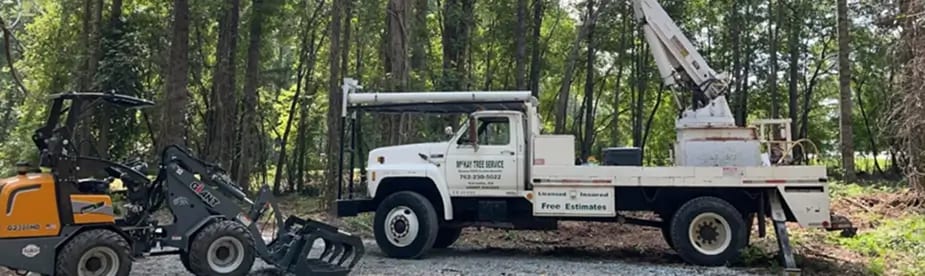
When your acreage becomes an overgrown thicket, you need a local team with the specialized equipment and regional expertise to reclaim your land. McKay Tree Service is a locally and family-owned company proudly serving Habersham and Hall counties with top-tier land clearing and forestry mulching services. Backed by over 11 years of hands-on experience, we are the most trusted tree service in Cornelia and the surrounding Northeast Georgia area. As a 5-star rated, licensed, bonded, and insured provider, we handle everything from routine brush removal to 24/7 emergency response and arborist-led property assessments.
Our team, recently voted Tree Service of the Year on Nextdoor, is dedicated to respectful, efficient service that prioritizes the health of your landscape and the safety of your home. Whether you are clearing a lot for construction or simply creating a defensible fire buffer, McKay Tree Service offers free estimates and special discounts for military and first responders. Contact McKay Tree Service today at (762) 227-1035 or visit our office, 527 Wayside St S, Cornelia, GA 30531
Frequently Asked Questions by Homeowners in Georgia
Is it better to clear brush in the summer or winter in Habersham, Georgia?
Winter is often the best time for heavy clearing because the foliage has dropped, making it easier to see the terrain and identify which trees to keep. However, summer clearing is necessary to manage active pest populations and fire risks.
Does forestry mulching prevent the brush from growing back?
Mulching provides an immediate fix, but because the root systems of some invasive species remain, a follow-up treatment or regular mowing of the cleared area is recommended to maintain the space.
Will clearing brush reduce the number of snakes on my property in Habersham, GA?
Yes. Snakes rely on thick cover for hunting and protection. Removing tall brush and debris piles eliminates their habitat, forcing them to move to more wooded areas away from your home.
How close to my house should I clear the brush?
Fire safety experts recommend a Defensible Space of at least 30 feet around your home, where all highly flammable brush and low-hanging limbs are removed.
Can I clear large areas of brush without a permit in Habersham County?
Permit requirements vary depending on the acreage and the proximity to state waters (streams or lakes). It is always best to consult with a professional service that understands local environmental regulations.
What is the most invasive brush in Northeast Georgia?
Kudzu, Privet, and English Ivy are the most common culprits. These species grow rapidly and can easily smother mature native trees if not kept in check.
Does overgrown brush affect my property value?
Absolutely. Overgrowth is often seen as deferred maintenance. Clearing brush improves curb appeal, makes the land usable, and allows potential buyers to see the full extent of the property.
Is burning a brush pile safe in Cornelia?
Burning is subject to local ordinances and daily burn bans based on air quality and wind conditions. Forestry mulching is a much safer, eco-friendly alternative to burning.
Summary Checklist: When to Call for Land Clearing
| Condition | Risk Level | Recommended Action |
|---|---|---|
| Brush within 5 feet of home siding | High | Clear vegetation promptly to reduce moisture damage, pest access, and structural deterioration risk |
| Dense thicket beneath mature hardwood trees | High | Remove dense understory growth to reduce fire spread potential and improve site access |
| Vines reaching or climbing into power lines | Critical | Use qualified professionals for safe clearance due to electrical hazard risk |
| Standing water in overgrown sections of the property | Moderate | Clear obstructive vegetation and evaluate drainage flow to reduce water retention issues |
| Property lines obscured by unmanaged vegetation | Low to Moderate | Schedule strategic clearing to restore visibility, accessibility, and usable land area |
Final Advice
Reclaiming a property from the grip of Northeast Georgia’s aggressive undergrowth is a significant undertaking, but it is one that pays dividends in safety and peace of mind. If you are managing a large lot in Habersham County, don’t wait until the brush is over your head to take action. Start by identifying high-value areas, such as the perimeter of your home and the health of your primary shade trees. Removing invasive vines early can save you the cost of a full tree removal later, as vines like Kudzu can literally choke a tree to death by blocking sunlight and adding excessive weight to the limbs.
For those with sloped terrain, consider a strategic clearing approach that leaves some native groundcover to ensure soil stability while removing the woody hazards. Most importantly, always utilize professional equipment for large-scale clearing; standard lawn tools are often insufficient for the woody stalks of Georgia privet and can lead to equipment damage or personal injury. Regular maintenance, even just once every two years, can keep a cleared area from reverting into a hazardous thicket. By investing in professional forestry mulching, you are not just cleaning up your yard; you are creating a healthier, more resilient ecosystem that allows your native Georgia landscape to thrive.