Key Takeaways
- Georgia storm season runs March–November, bringing thunderstorms and high winds to Cornelia and Hall County
- Dead, dying, or diseased trees become dangerous projectiles during storms, risking home damage and injury
- Overgrown trees near structures can cause $10,000–$50,000+ in roof, siding, and window damage when branches fall
- Professional tree removal eliminates hazards before storms hit, preventing costly emergency removal and insurance claims
- McKay Tree Service offers 24/7 emergency response, free estimates, and 11+ years of experience serving Cornelia, GA
Cornelia, Georgia, homeowners know storm season well. From March through November, northeastern Georgia faces severe thunderstorms, high winds, heavy rain, and occasional tornadoes that can turn backyard trees into dangerous hazards. Hall County experiences an average of 40–50 days of severe thunderstorms annually, with wind gusts exceeding 58 mph capable of toppling weak or dead trees.
Dead, dying, or structurally compromised trees become dangerous during storms. When wind speeds reach 40–60 mph, a single large branch can break off with enough force to smash through roofs, crack windows, or damage siding. A full tree falling on a house can cause $20,000–$100,000 in structural damage.
Why Georgia Storm Season Poses Unique Risks to Cornelia Homes
Georgia’s storm season presents distinct challenges for Cornelia homeowners:
| Storm Factor | Risk to Trees & Homes |
| High Wind Gusts (58–100 mph) | Break weak branches, split trunks, and topple dead or unstable trees |
| Heavy Rain (3–6 Inches per Hour) | Saturates soil, weakens root systems, and increases uprooting risk |
| Thunderstorm Frequency | Approximately 40–50 severe storms annually in Hall County, increasing tree failure risk |
| Tornado Risk (EF0–EF2) | Can uproot trees, damage structures, and turn debris into dangerous projectiles |
Dead or diseased trees lack structural integrity to withstand these forces. Their wood becomes brittle, roots weaken from rot, and branch attachments fail under stress. A healthy tree can survive 60–80 mph winds. A dead tree with root rot may fail at 30–40 mph.
Signs Your Tree Needs Removal Before Storm Season
Cornelia homeowners should inspect their property for these red flags:
1. Dead or Dying Branches (More Than 25% of Canopy)
When over a quarter of a tree’s branches are dead, the tree is in severe decline. Dead wood snaps easily in the wind.
2. Leaning Trunk (More Than 15 Degrees)
A sudden lean indicates root failure or soil instability. Trees leaning toward your home or power lines pose immediate danger.
3. Cracked or Split Trunk
Vertical cracks or H-shaped splits signal structural failure. These cracks can widen rapidly under wind pressure.
4. Hollow or Rotted Trunk
Tapping the trunk and hearing hollow sound indicates internal rot. If more than 30% of the trunk is rotted, the tree cannot support itself.
5. Exposed or Rotted Roots
Roots exposed by erosion or showing fungal growth have lost anchoring strength. These trees can uproot entirely during storms.
6. Fungus Growing at Base
Conk mushrooms or shelf fungi at the base indicate advanced internal decay. This is a clear sign the tree is failing.
7. Tree Near Power Lines or Structures
Trees within 10 feet of power lines or touching your home should be removed. Wind can push branches into lines, causing fires.
How Professional Tree Removal Protects Your Home
A professional tree removal firm in Cornelia, Georgia can help you eliminate storm hazards before they become disasters. Here’s how –
- Prevents Roof and Structural Damage: A 20-inch oak branch falling from 30 feet hits with over 2,000 pounds of force enough to punch through roofs and cause water damage.
- Protects Power Lines and Prevents Fires: Trees falling on power lines cause outages and can spark fires. Professional removal includes safe clearance from utility lines.
- Prevents Injury to Family and Neighbors: Falling branches kill 6–8 people annually in the U.S. Removing dangerous trees protects your family from serious injury.
- Avoids Costly Emergency Removal After Storms: Emergency storm cleanup costs 2–3× more than planned removal. After storms, demand spikes and prices surge.
- Reduces Insurance Deductibles and Claims: Many policies exclude damage from “neglected” hazardous trees. Removing trees proactively keeps you covered.
What to Expect During Professional Tree Removal in Cornelia
Professional tree removal follows a strict safety process:
- On-Site Assessment: Arborist evaluates tree health, lean direction, and obstacles to plan safe removal
- Safety Perimeter Setup: Crews establish danger zones to keep family and pets safe
- Sectional Dismantling: Large trees removed in sections using ropes, lowering each piece carefully
- Stump Grinding (Optional): Stumps ground 6–12 inches below grade to prevent regrowth
- Debris Removal: All wood, branches, and leaves hauled away or chipped
- Final Inspection: Site checked for damage before crew departure
This process typically takes 2–6 hours for a single tree.
McKay Tree Service: Cornelia’s Trusted Tree Removal Experts
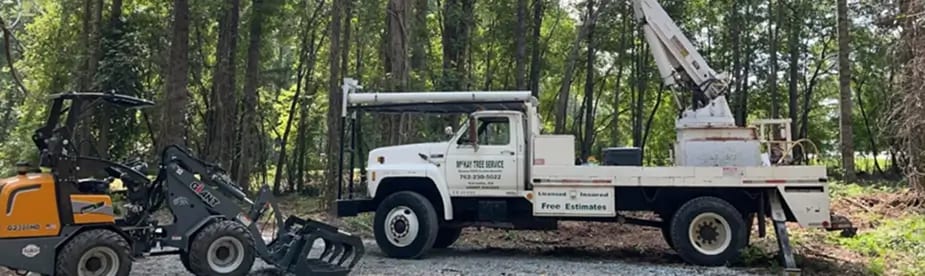
McKay Tree Service is Northeast Georgia’s most experienced tree care company, uniquely equipped to handle hazardous tree removal in Cornelia, Gainesville, and surrounding Hall and Habersham Counties. We bring over 11 years of hands-on experience and a licensed, bonded, and insured team to every job.
As a locally owned, family-run business serving Gainesville, McKay specializes in tree trimming, tree removal, 24/7 emergency tree service, land clearing, tree cabling & bracing, vegetation landfill, forestry mulching, certified arborist services, forestry mulching, and firewood service. We proudly offer military and first responder discounts, free no-obligation estimates.
Request your FREE estimate online to schedule professional tree removal.
Frequently Asked Questions About Tree Removal in Cornelia, GA
When is the best time to remove a hazardous tree?
Anytime you identify a dangerous tree, remove it immediately. Don’t wait for storm season.
How much does tree removal cost in Cornelia, GA?
The cost of tree removal typically ranges between $500–$2,500 for residential trees, however it majorly depends on size and location. Emergency removal costs 2–3× more.
Will insurance cover tree removal if it damages my home?
Most policies cover removal if the tree falls and damages your structure. Standing hazardous tree removal is typically not covered.
How quickly can McKay remove a tree after a storm in Cornelia, GA?
We have inhouse 24/7 emergency service team that responds within hours for dangerous trees on homes or power lines.
Can you remove trees near power lines safely?
Yes. Our crews have specialized training for safe removal near utility lines.
What happens to the wood after removal?
We haul away all debris, or you can keep wood for firewood. McKay also offers firewood service.
Do you offer stump removal after tree removal?
Yes, stump grinding is available as an add-on service.
Summary Checklist: Tree Removal for Storm Season Protection in Cornelia
| Task | Timing | Priority |
| Inspect Trees for Dead Branches | Monthly | High |
| Check for Trunk Cracks or Leaning | After Heavy Winds | High |
| Look for Fungus at the Base | Annually | High |
| Assess Root Health | Annually | High |
| Remove Trees Near Power Lines | Immediately | Immediate |
| Professional Arborist Assessment | Every 1–2 Years | High |
| Schedule Tree Removal if Hazardous | Before Storm Season | Immediate |
| Clear Debris After Removal | Same Day | Medium |
Final Advice
Georgia storm season is unavoidable, but tree damage to your Cornelia home is preventable. Dead or structurally compromised trees become dangerous during high winds, threatening your roof, power lines, and your family’s safety.Don’t wait for a branch to crash through your roof. Proactive tree removal eliminates hazards before storms hit, saving thousands in emergency repairs.A reliable tree removal firm in Cornelia, Georgia ensures removal is done correctly and safely. Our certified arborist and 24/7 emergency response protect your home during storm season. Contact McKay Tree Service today to request your free estimate online.