Tree removal in Gainesville, GA is no longer a simple matter of cutting down a tree with a saw. It is shaped by advanced technology, evolving local regulations, and a growing focus on safety and sustainability. Gainesville homeowners, surrounded by beautiful yet sometimes hazardous pines and oaks, must understand the true costs, processes, and latest industry trends before making decisions.
This guide brings together current cost data, local insights, and professional advice from certified arborists to help you navigate tree removal with confidence. Whether you live in a suburban neighborhood or manage a larger property, you’ll find practical tips, real-world examples, and strategies to save money while protecting your home and landscape.
How Much Does Tree Removal Cost in Gainesville, GA
Tree removal prices in Gainesville vary based on size, location, and risk. Here’s a quick snapshot of average costs for 2025:
| Tree Size | Height | Price Range (2025) |
| Small | Up to 30 feet | $180 to $300 |
| Medium | 30 to 60 feet | $500 to $700 |
| Large | 60 to 80 feet | $700 to $1,100 |
| Very Large | Over 80 feet | $1,100 to $1,189+ |
Most standard removals fall between $500 and $700 per tree. Emergency jobs, such as those involving storm damage or trees near power lines, can reach $1,100 or more. Stump grinding typically adds $70 to $350, depending on root depth and complexity.
What’s Included in the Price?
A typical estimate covers the crew’s labor, equipment use, and basic cleanup. But there are often extra charges for:
- Hauling and chipping branches
- Grinding or removing the stump
- Difficult access areas, like sloped backyards or trees near buildings
Think of the final price as a combination of the tree’s condition, site challenges, and the level of service you choose.
Key Factors That Affect Tree Removal Cost
Several variables influence the overall cost of tree removal. Understanding these factors helps you plan your budget and avoid surprises:
- Tree Size & Species:
Larger, mature trees require more labor, heavier equipment, and extra safety precautions. Certain hardwood species (like oak or hickory) are denser and harder to cut, adding time and effort compared to softer trees like pine. - Tree Health & Stability:
Diseased, hollow, or storm-damaged trees can be unpredictable and unsafe to climb. Crews may need specialized rigging or cranes to remove unstable sections carefully, which raises costs. - Accessibility of the Tree:
Easy-to-reach trees in an open yard are faster (and cheaper) to remove. Trees near fences, sheds, or landscaping may require sections to be cut into smaller pieces and carried out by hand, increasing labor time. - Proximity to Hazards:
Trees close to homes, power lines, or roads require extra safety planning, traffic control, and sometimes utility coordination. This careful work takes more time and equipment. - Permits & Local Regulations:
Some cities or HOAs require tree removal permits, inspections, or arborist reports before work can begin. These add to the timeline and sometimes to the total cost.
By considering these factors in advance, you can get a more accurate estimate and choose a professional tree service that handles permits, safety, and cleanup properly.
Average Tree Removal Price Ranges
While every job is unique, having a general price range helps set expectations before you get a quote.
- Small Trees (Under 20 ft): Usually the least expensive, often removed in under an hour with minimal equipment.
- Medium Trees (20–50 ft): Require more climbing, cutting, and cleanup, and may need ropes or rigging for safe takedown.
- Large Trees (50+ ft): These jobs often require bucket trucks or cranes, multiple crew members, and full-day work — making them the most expensive.
- Hazard Trees or Emergencies: Storm-damaged or fallen trees that threaten property can cost more due to urgent scheduling, extra safety measures, and cleanup.
Because pricing varies widely by region, tree type, and complexity, it’s always best to get a professional on-site assessment for an accurate quote.
Why Hire a Professional?
While some homeowners think about DIY tree removal, it is rarely safe. Dead or leaning trees can cause serious injury or property damage if handled incorrectly. Professional removal ensures:
- Safer outcomes with certified arborists using proper gear
- Full insurance coverage in case of accidents
- Efficient removal, even for large or hard-to-reach trees
- Cleanup services that leave your yard usable immediately
A Gainesville homeowner recently saved thousands by hiring a pro instead of attempting DIY removal of a 50-foot pine leaning toward their neighbor’s fence. It is a reminder that expert help prevents costly mistakes.
Permits and Regulations in Gainesville
Not every tree removal needs a permit, but Gainesville protects certain heritage and native species.
- Most residential trees don’t need permits unless they’re “heritage” or “champion” trees.
- Emergency removals, like storm-damaged or hazardous trees, are exempt.
- Pruning more than 25% of a canopy requires proper technique to avoid fines.
Always check with local city offices before cutting to avoid penalties or replanting requirements.
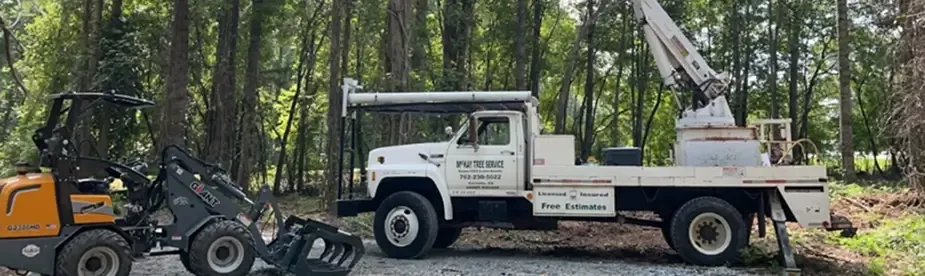
Ready to get started? Contact McKay Tree Service, a trusted Gainesville company specializing in everything from routine trimming to complex emergency removals.