If you live in Hall County, keeping your trees healthy and your property safe has never been more crucial. According to the latest data from state emergency services, over 35% of storm-related home claims in northeast Georgia in early 2025 involved trees that were unmaintained or improperly handled. With unpredictable spring storms, hotter summers, and new local ordinances shaping how residents manage their landscapes, your approach to tree care this year will have a direct impact on your home’s safety and value.
In this updated guide, you’ll discover the practical difference between tree cutting and tree trimming, what most homeowners get wrong, and specific steps for keeping your yard protected. You’ll also find answers to the real questions your neighbors are asking and the best practices trusted by local experts in Hall County.
Tree Cutting vs. Tree Trimming: What’s the Actual Difference?
Let’s clear up the basics first, because these terms are often used interchangeably-but they shouldn’t be.
Tree Trimming: Routine Care for Health, Safety, and Curb Appeal
Trimmed trees not only look better, they’re stronger and safer. Trimming involves cutting back select branches, especially ones that are dead, dying, or dangerously overgrown. This keeps the tree’s shape balanced, sunlight reaching your yard, and wind able to pass safely through the branches.
- How Often? Ideally, once a year, with heavier work in late winter or early spring.
- Why Trim? Improve appearance, reduce storm risk, and remove small disease/insect issues before they spread.
- Result: Trees look better, live longer, and present less risk of falling limbs.
Tree Cutting (Removal): A Big Decision, Rarely the First Step
This means removing the entire tree. You might need this if a tree is completely dead, rotted, severely storm-damaged, or threatening your home’s structure or underground utilities.
- When to Remove? Tree is irreversibly diseased, dead, leaning over a home or wires, or roots are undermining your foundation.
- Is It Expensive? Yes. Removal is typically several times more costly than annual trimming. In 2025, Hall County homeowners report average removal costs from $1,200 to over $4,000 for large, challenging trees.
- Local Law Alert: As of 2025, some tree removals require prior city/county approval—avoid fines by always checking before you cut.
Trimming vs. Cutting at a Glance
| Category | Tree Trimming | Tree Cutting (Removal) |
| Goal | Preserve health, safety | Eliminate hazard or dead tree |
| Frequency | Annual/Biannual routine | Occasional, if needed |
| Impact | Stronger, better-looking | Total removal, higher cost |
| Signs Needed | Overgrowth, small deadwood | Severe lean, big cavities |
| Permit Needed? | Not usually | Often, check local rules |
| Average Cost | $150-$600 | $1,200-$4,000+ |
What Most Homeowners Get Wrong About Tree Care
Even well-meaning residents make mistakes that cost them time, money, and sometimes their insurance deductible. Here are the top misconceptions that local pros see daily:
- Myth: “If it looks healthy, I don’t need to trim.”
Most tree issues start inside or high up, out of sight. By the time problems are visible, you may need costly removal. - Myth: “Trimming is just for looks.”
Not true. Proactive trimming reduces breakage during storms and can even halt the spread of disease. - Mistake: DIY for Big Trees.
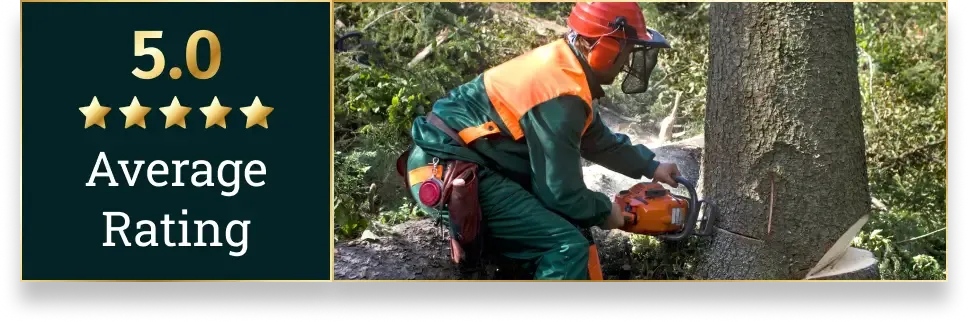
If you use a chainsaw or climb a ladder above 10 feet, you’re risking injury. Certified arborists have the right gear and training. - Myth: “Removal is the go-to for problem trees.”
Cutting down a tree should be a last resort. Many structural issues can be fixed with strategic trimming or cabling. - Mistake: Ignoring New Rules.
In Hall County, removing a mature tree without checking regulations can result in fines of $500 or more. - Mistake: Waiting Until a Storm Strikes.
Emergency calls after damage cost more than preventative care by a wide margin.
How to avoid these mistakes?
Regular inspections by a certified pro, following seasonal best practices, and always checking city or county regulations before cutting anything major.
Expert Steps: How to Make the Best Tree Decisions in 2025
Not sure whether your tree needs a simple shaping, a hard trim, or full removal? Here’s a clear, professional process for Hall County homeowners:
1. Do a Quick Visual Checklist Each Season
Walk your property, and note any of the following signs:
- Branches hanging over your roof, driveway, or play area
- Cracks in main limbs or trunk
- Large dead or ugly branches
- Visible fungus (mushrooms at base), which can signal hidden decay
- Sudden leaf loss or browning out of season
2. Schedule Routine Trimming (Don’t Wait!)
- Late winter to early spring is prime time for most Georgia trees, just as sap starts to rise but before new growth explodes.
- Fast-growing species might need summer shaping too.
3. Bring in a Certified Arborist for Big Concerns
- Trees with cracks, severe tilting, or dead tops need professional assessment.
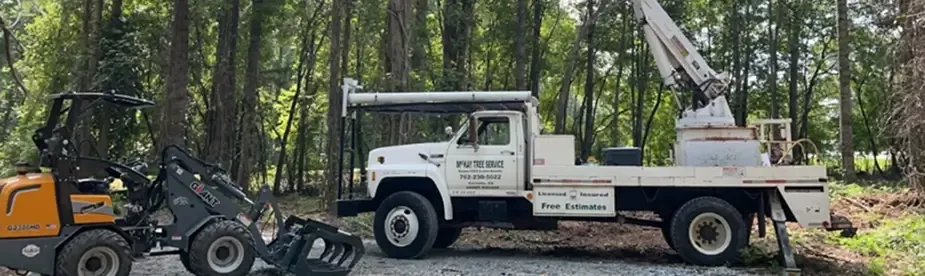
- Ask for a written evaluation. Many local experts, including McKay Tree Service, will provide a risk or health assessment upfront.
4. Only Cut Down Trees When Absolutely Necessary
- Dead, hollow, or dangerously leaning trees require removal for safety.
- Never attempt large removals alone–insurance may not cover home or personal injury if you attempt DIY.
5. Always Check the Local Regulations First
- Hall County’s updated rules (2024 and after) require permits for the removal of trees over a certain diameter or for those located within setback distances from property lines or roads.
- Reputable tree services handle permits for you; always ask.
6. Don’t Let Costs Surprise You
- Ask for a quote on both trimming AND full removal so you can compare.
- Request proof of insurance–uninsured workers put you at financial risk.
Looking Ahead: The Future of Tree Management for Local Yards
Tree care in Hall County isn’t standing still. Homeowners who adapt will be ahead of the curve:
- Drone Inspections: Companies now use drones to inspect high canopies, spotting issues faster and more accurately.
- Health Sensors: Smart devices attached to trees track moisture, disease risk, and even internal decay so owners can act proactively.
- Mulch & Replant Trends: Eco-friendly companies recycle all trimmings and often include “free tree planting” as part of large removal jobs.
- Stricter City Codes: New development means more oversight. Look for digital permit applications and required replanting in many neighborhoods by end of 2025.
- Integration with Smart Homes: Some homeowners are connecting tree sensors to weather alert systems, getting notified if wind or soil conditions put old trees at risk.
What does this mean for you?
Tree care will continue to become more precise, data-driven, and eco-friendly. Regular maintenance keeps you compliant, safe, and ahead of trends that could affect resale value.
FAQs: What Hall County Residents Are Asking About Tree Cutting and Trimming
Is tree cutting or tree trimming better for my yard?
In almost every situation, routine trimming is better for your yard’s health, safety, and appearance. Full cutting or removal is reserved for trees that are dead, severely diseased, or genuinely hazardous.
How frequently should my trees be trimmed?
Most trees benefit from annual or every-other-year trimming, especially hardwoods like oaks or maples. Fast-growing ornamentals might need spring and summer attention.
What’s the biggest mistake people make with yard trees?
Waiting until a branch falls or mold appears, instead of scheduling regular trims. Fixing storm damage or advanced decay is much more expensive than basic maintenance.
Can I trim or cut trees myself?
Safely trimming small, low branches with hand tools is reasonable for most homeowners. However, for large limbs, tall trees, or anything near power lines or structures, always use a professional. DIY can void insurance and result in injury.
What are signs a tree should be removed, not just trimmed?
Watch for multiple large dead limbs, deep trunk cavities, fungi at the base, heavy lean (especially after rain), or visible root upheaval. If you notice these signs, contact a certified arborist for an expert evaluation.
Do I need a permit to cut down a tree in Hall County?
Often, yes. As of 2025, removals of mature trees or those near lot lines usually require a county permit. Check current Hall County guidelines or contact your tree service before doing any work.
Can cutting down a tree damage my yard or neighbors’ property?
Professional services use special equipment to minimize lawn and fence damage. Still, you should discuss clean-up, replanting, and any access issues before work begins.
What are the benefits of hiring a local, certified company?
Local pros understand Hall County tree species, weather, and regulations. They’re able to provide quick, on-site estimates, handle permits, and assist with insurance paperwork if a storm or disease is involved.