If you have noticed white fungus growing on the trunk of a tree in your yard, you are not alone. Many homeowners in Northeast Georgia, including Habersham County and Hall County, spot these strange white patches or mushroom-like growths and immediately worry that their tree is dying or could fail near their home. While white fungus can sometimes be harmless, in other cases it may signal serious problems such as rot or internal decay that increase the risk of falling limbs or trunk failure. Knowing the difference is essential for keeping your trees healthy, protecting nearby structures, and maintaining a safe landscape.
This guide explains what white fungus on tree trunks means, how to identify different types, when you should be concerned, and what steps you can take to treat and prevent it. We will also discuss seasonal patterns in Northeast Georgia, preventive strategies for humid climates, and when to seek professional help. By the end, you will have a clear, step-by-step plan for managing fungus on your trees and know when to call McKay Tree Service for expert care.
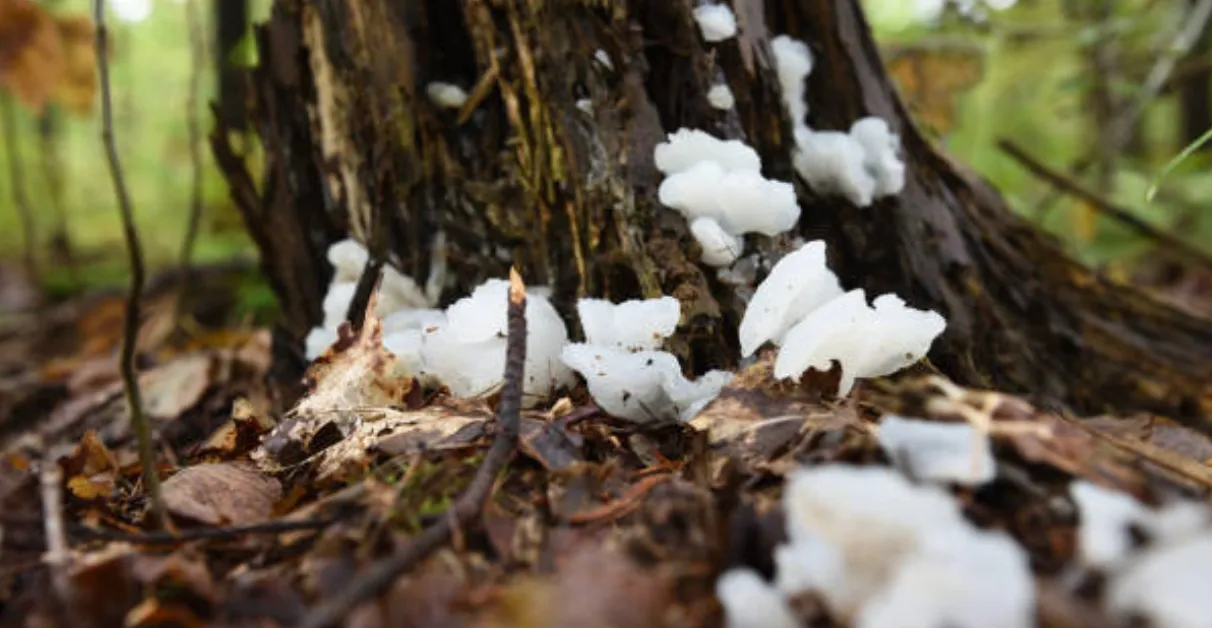
Is White Fungus on My Tree Dangerous?
White fungus on tree trunks refers to any fungal growth that appears as white spots, powdery coatings, or mushroom-like structures on the bark. Not all of these growths are harmful. Some are completely natural and simply indicate that your tree is part of a healthy ecosystem. Others, however, may be signs of disease or decay that weaken the tree over time. In some cases, white growths may even be misidentified as organisms such as lichens or algae.
Common appearances include:
- Powdery coatings that look like flour dusted over the bark
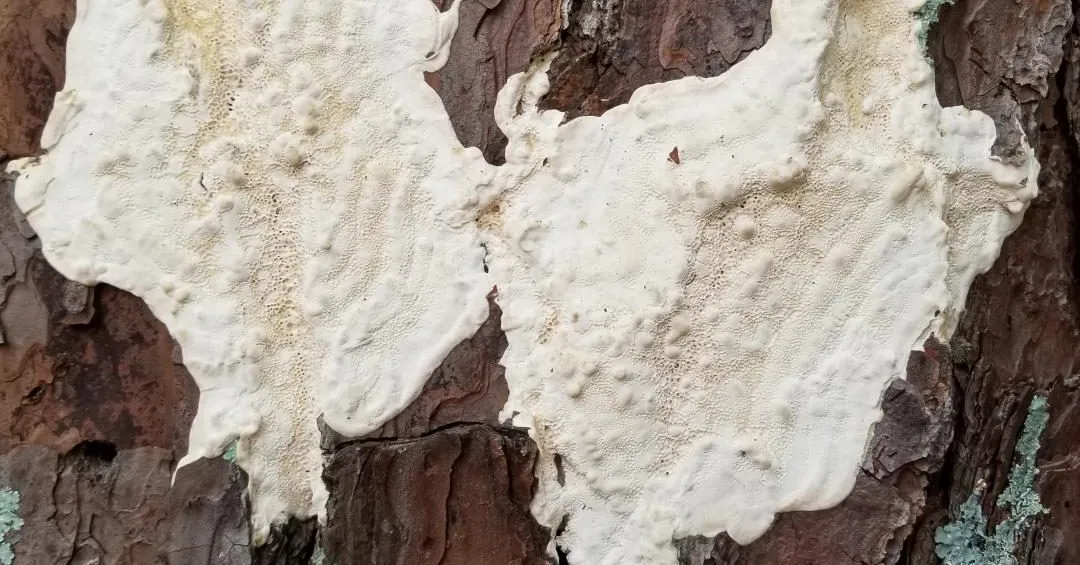
- Crusty or patchy growths that resemble peeling paint or lichen
- Shelf-like mushrooms that stick out horizontally from the trunk
- Cottony clumps or mold in shaded or damp areas
- Smooth blotches that may spread gradually over the bark surface
Identifying which type of white growth you are dealing with is the first step toward knowing whether action is required.
Common Causes of White Fungus on Trees in Northeast Georgia
Lichens
Lichens are often mistaken for harmful fungi, but they are actually a combination of algae and fungi living together. They often appear as white, gray, or greenish crusts on bark. Lichens are not harmful to trees, since they feed on sunlight and moisture rather than on the tree itself. In fact, lichens are often considered indicators of clean air quality and a balanced ecosystem. Their presence is not a reason for alarm, although some homeowners may choose to remove them for cosmetic reasons.
Powdery Mildew
Powdery mildew is a true fungal disease that can affect both leaves and bark. It shows up as a white powdery layer and can weaken a tree by interfering with photosynthesis and stressing the plant. While rarely fatal on its own, it can make trees more vulnerable to other problems, such as pest infestations or nutrient deficiencies. Powdery mildew thrives in warm, humid conditions. In Northeast Georgia, this makes it especially common during late spring and summer when humidity levels are high and airflow is limited.
Bracket Fungi or Shelf Fungi
Bracket fungi form large, white or cream-colored shelf structures on the trunk. These indicate that the fungus is feeding on the wood inside the tree, breaking it down. This type of fungus is a serious warning sign that the tree may be structurally weakened. Once bracket fungi are visible, the internal decay has usually advanced, which means the tree could eventually lose stability. These fungi are often associated with older or stressed trees that already have compromised defenses. In the humid Southeast, bracket fungi are a common reason property owners call McKay Tree Service, since they pose real risks to trees near homes, driveways, and public spaces.
Mold-like Growths
Sometimes what looks like fungus is actually mold growing on decayed organic matter stuck to the bark, such as fallen leaves, insect residue, or algae. These are less concerning but often point to excess moisture around the tree. If mold is present, it is often a sign that the tree’s environment needs adjustment, such as better drainage or reduced shade.
Notice shelf mushrooms or spreading white patches? Call McKay Tree Service for an inspection in Habersham or Hall County.
How to Tell if White Fungus on a Tree Is Harmful
You can often identify the fungus by looking closely at its appearance and location. Careful observation helps distinguish harmless organisms from harmful infections.
- Texture: A fine powder usually indicates powdery mildew. Crusty, flat patches are often lichens. Thick, protruding shelves are bracket fungi.
- Location: White patches on leaves and twigs are usually mildew, while large structures on the trunk point to decay fungi.
- Spread: Lichens tend to grow slowly and stay localized. Powdery mildew can spread quickly. Bracket fungi persist and often return year after year.
- Seasonality in Georgia: Mildew is most common in late spring and humid summers. Lichens are visible year-round. Bracket fungi often appear in late summer and fall, especially after periods of heavy rainfall.
If you are uncertain or if the tree is large and valuable, it is wise to call a qualified arborist for professional diagnosis. McKay Tree Service can provide a thorough inspection and determine whether the fungus threatens your tree’s stability.
 Treatment and Prevention for White Fungus on Trees
Step 1: Confirm the Diagnosis
Not all white fungus requires treatment. Identify whether it is harmful before applying any chemicals or pruning. Misidentifying lichens as fungi can lead to unnecessary treatments.
Step 2: Prune and Maintain Tree Health
Remove any visibly infected or dead branches using clean, sterilized pruning tools. Always disinfect your tools afterward to avoid spreading spores. When pruning, avoid cutting into healthy tissue unnecessarily, as this can open new wounds for infection. Regular maintenance helps prevent moisture buildup and supports long-term tree health.
Step 3: Improve Airflow and Sunlight
Fungi thrive in damp, shaded areas. Thinning the canopy or clearing nearby shrubs can allow more air and sunlight to reach the trunk, reducing fungal growth. In Northeast Georgia’s humid summers, this is especially important for fungus prevention.
Step 4: Apply Treatments
For powdery mildew and other treatable fungi, treatments can be effective:
- Organic sprays: Neem oil, baking soda solutions, or horticultural oils can help control mild infections without harming beneficial insects.
- Chemical fungicides: Sulfur- or copper-based products may be recommended for severe cases. These should be applied carefully, ideally under the advice of a professional like McKay Tree Service.
Step 5: Support Root and Soil Health
A healthy tree is better able to resist fungal infections. Proper watering practices, mulching correctly (keeping mulch away from the trunk), and soil testing for nutrient deficiencies all help trees build resilience. Fertilization, when appropriate, can also boost recovery.
Step 6: Removal in Severe Cases
If bracket fungi or other decay fungi are advanced, treatment is often not possible. In such cases, removal of the tree may be necessary to prevent hazards. McKay Tree Service can safely remove compromised trees, ensuring your property and family remain safe.
Why Northeast Georgia Trees Are Particularly Susceptible
Trees in Habersham County, Hall County, and surrounding areas face unique conditions that make them vulnerable to fungus. The region’s humid summers, frequent rainfall, and clay-heavy soils create an environment where fungal diseases thrive. Trees near Lake Lanier or in shaded valleys are particularly at risk because of moisture retention and limited airflow. This makes professional monitoring from a company like McKay Tree Service even more valuable for local homeowners.
When to Call McKay Tree Service
You should contact McKay Tree Service if:
- The tree has large, visible bracket fungi
- The trunk is cracked, hollow, or leaning toward a structure
- Fungus has spread extensively and treatments have failed
- The tree is near a house, driveway, or play area where falling branches would be dangerous
- You are unsure whether the fungus is harmless or harmful
Our team can assess the structural integrity of the tree, recommend targeted treatments, or safely remove a tree if necessary. We also provide soil management advice, preventative treatments, and regular maintenance programs to keep your landscape healthy year-round.
FAQs
Does white fungus mean my tree is dying?
Not always. Harmless lichens are common, but certain fungi, like bracket fungi, do indicate decay and potential death of the tree.
Can I scrape fungus off a tree trunk?
Scraping may temporarily remove surface growth but does not solve the underlying issue. If the fungus is rooted in the wood, it will return. In some cases, scraping can even damage the bark and make the tree more vulnerable.
Is tree fungus contagious to other plants?
Some fungi, such as powdery mildew, can spread to other plants. Others, like lichens, do not spread in a harmful way. Keeping trees healthy and spaced properly reduces the risk of cross-infection.
Are lichens bad for trees?
No. Lichens are harmless and often indicate good air quality. They use the tree bark only as a surface to grow on, not as a food source.
Can a tree recover from fungus?
Yes, if the problem is caught early and treated appropriately. Trees suffering from internal decay, however, may not recover. Supporting the tree’s overall health increases its chances of surviving fungal stress.
Should I remove a tree if it has fungus?
Not necessarily. Many cases of white fungus are manageable, but if the fungus indicates structural weakness or advanced decay, removal may be the safest option. McKay Tree Service can help evaluate your options.
How much does professional treatment cost?
Costs vary depending on the severity of the fungus, the size of the tree, and the type of treatment needed. While DIY methods may be less expensive upfront, professional services often save homeowners money long-term by preventing tree loss, property damage, and safety hazards.
Conclusion
White fungus on tree trunks can signal very different things, from harmless lichens to serious decay fungi. The key is accurate identification. Harmless growths can stay in place, while infections like powdery mildew respond to pruning, airflow, and targeted treatments. If bracket fungi or internal decay are present, professional care is often the only safe solution.
For homeowners in Northeast Georgia, McKay Tree Service provides expert diagnosis, treatment, and safe removal when needed. With early detection and consistent care, most trees can stay healthy for years. Regular inspections and timely action are the best defense against fungus, and local expertise ensures your property remains safe and well-protected.
If you notice white fungus on your trees, don’t wait. McKay Tree Service can inspect, treat, or safely remove affected trees to protect your property and family.