Effective tree fertilization and soil care in Gainesville, Georgia, require understanding the region’s unique clay soil conditions and seasonal climate patterns. Proper nutrient management helps trees thrive in Georgia’s challenging red clay soils while supporting long-term landscape health.
Gainesville homeowners face distinct soil challenges that affect tree nutrition, including acidic pH levels, poor drainage in clay soils, and nutrient deficiencies common to the Southeast. Understanding these factors and implementing appropriate fertilization practices ensures healthy, vigorous trees that enhance property value and environmental benefits.
Why Gainesville’s Red Clay Soil Challenges Tree Growth
Georgia Red Clay Characteristics
Georgia’s famous red clay soil presents unique challenges for tree health and nutrition. This Ultisol classification contains high iron oxide content, which creates the distinctive red coloration and acidic conditions. The clay’s dense structure restricts water penetration and root development, making proper soil management essential for tree success.
Red clay soils typically exhibit pH levels between 5.0 and 6.0, which can limit nutrient availability. Calcium leaching from heavy rainfall contributes to acidic conditions, requiring regular soil testing and amendment to maintain optimal growing conditions.
Soil Testing in Hall County, GA
Hall County Extension Office provides soil testing services for a small fee per sample, with results available within ten days. Basic soil tests measure pH levels, nitrogen, phosphorus, potassium, and organic matter content. For comprehensive tree care, property owners should request additional nitrate and organic matter analysis.
Soil samples should be collected from multiple locations around each tree, taking measurements from 1 to 12 inches deep where most roots are located. Proper sampling techniques ensure accurate results and appropriate fertilization recommendations.
Climate Factors That Shape Tree Care in Northeast Georgia
Northeast Georgia’s climate creates specific timing requirements for fertilization programs. The region experiences hot, humid summers with average temperatures reaching the mid-80s, while winter temperatures rarely drop below freezing. Spring arrives early, typically in late February to early March, creating extended growing seasons.
Annual rainfall averages 45–50 inches, with peak precipitation during spring and summer months. This moisture pattern affects nutrient availability and timing of fertilizer applications.
Best Time to Fertilize Trees in Gainesville: A Seasonal Guide
Spring: Encourage Growth at Bud Break
Spring is the best time to fertilize trees in Gainesville. Early applications, usually between late February and early April, match the period when roots start growing and buds begin to open.
Benefits:
- Supports new growth and leaf development
- Strengthens root systems during active growth
- Prepares trees for summer heat stress
- Provides nutrients when trees can absorb them most efficiently
Young trees benefit from several light applications during the growing season, while mature trees usually need one complete spring treatment.
Fall: Strengthen Roots for Winter Hardiness
Fall fertilization, applied between late October and early December, helps trees prepare for dormancy. This timing allows nutrient absorption before root activity slows and improves root strength and cold tolerance.
Benefits:
- Reinforces root systems before winter
- Builds nutrient reserves for spring growth
- Improves cold hardiness and stress resistance
- Sets the foundation for next season’s growth
Why You Should Avoid Summer and Winter Fertilization
Avoid fertilizing during the intense summer heat or late in the season. High temperatures increase stress, and late fertilization can trigger new growth when trees should be preparing for rest.
Winter fertilization is usually unnecessary since trees are dormant. However, special treatments may be useful for nutrient deficiencies under professional guidance.
Fertilization Methods
Deep Root Injection: The Gold Standard for Mature Trees
Deep root injection represents the most effective fertilization method for established trees. This technique delivers liquid fertilizer directly to the root zone through pressurized injection 8–12 inches into the soil.
Advantages include:
- Direct nutrient delivery to feeding roots
- Soil aeration and compaction relief
- Reduced competition from surface vegetation
- Minimal lawn damage during application
- Custom nutrient blending for specific tree needs
Surface Fertilization for Young or Small Trees
Surface fertilization involves spreading granular fertilizer around the tree’s drip line and extending beyond. This method works best for young trees and areas where deep injection equipment cannot access.
Best practices:
- Spread fertilizer from trunk to drip line and beyond
- Incorporate fertilizer into the top 2–3 inches of soil
- Water thoroughly after application
- Avoid direct contact with the tree trunk
Organic vs. Chemical Fertilizers: Which Works Best in Red Clay?
Both organic and chemical fertilizers offer distinct advantages for tree care. Organic fertilizers provide slow nutrient release and improve soil structure, while chemical fertilizers deliver immediate results.
Organic Fertilizer Benefits:
- Gradual nutrient release over extended periods
- Soil structure improvement and microbial activity enhancement
- Reduced risk of nutrient burn or overdose
- Environmentally sustainable
- Long-term soil health improvement
Chemical Fertilizer Advantages:
- Immediate nutrient availability for deficient trees
- Precise nutrient ratios for specific needs
- Higher concentration requiring smaller applications
- Predictable results and quick correction of deficiencies
Local experts such as McKay Tree Service can recommend the right approach based on soil conditions and tree needs.
Fixing Gainesville’s Clay Soil: Compost, Mulch, and Amendments That Work
Adding Organic Matter
Improving Gainesville’s heavy red clay starts with consistent organic matter incorporation. Compost, aged manure, and leaf mold help loosen compacted soil and improve drainage.
Effective amendments include:
- Composted hardwood mulch
- Mushroom compost
- Aged pine bark
- Composted leaves
Mulching the Right Way: Protecting Roots Without Suffocating Them
Mulching offers multiple benefits for both soil and tree health. Organic mulch helps retain moisture, regulate soil temperature, and improve structure as it breaks down.
Key benefits:
- Retains moisture and reduces watering needs
- Regulates soil temperature for root protection
- Suppresses weeds and limits competition
- Adds organic matter as it decomposes
- Shields roots from mower and trimmer damage
Targeted Soil Amendments for Clay Improvement
Specialized soil treatments can help address Gainesville’s clay soil challenges. Gypsum, biochar, mycorrhizal inoculants, and liquid soil conditioners all enhance structure, root growth, and nutrient absorption.
Spotting Nutrient Deficiencies Before Trees Decline
Catching nutrient problems early can prevent long-term stress and decline in your trees. Look for these common signs that may indicate a lack of key nutrients:
- Nitrogen deficiency: Older leaves turn yellow, growth slows, and trees may show early fall color.
- Iron deficiency: New leaves turn yellow while veins remain green, creating a distinct pattern.
- Phosphorus deficiency: Leaves appear dark green with bronze undersides and overall stunted growth.
- Potassium deficiency: Leaf edges turn brown or scorched, often curling or crumbling at the margins.
Regular soil testing and proper fertilization can correct these issues before they weaken the tree.
When DIY Fertilization Works and When It Doesn’t
Professional fertilization ensures accurate diagnosis, proper timing, and long-term monitoring. Certified arborists use specialized tools such as deep root injectors and apply custom nutrient blends tailored to Gainesville’s red clay soil and local conditions.
DIY fertilization can still work if homeowners follow soil test results and product instructions carefully. Always water after applying fertilizer, avoid over-fertilization, and use products designed for your specific soil type.
However, some situations call for expert help. If trees continue to decline despite your efforts, if you have large or valuable specimens, or if soil problems or pest issues persist, it’s time to call a professional tree care specialist.
Frequently Asked Questions
When is the best time to fertilize trees in Gainesville?
The optimal timing is early spring (late February–early April) and late fall (October–December). Spring supports active growth, while fall builds root strength for winter.
How often should I fertilize my trees?
Mature trees generally need fertilization every 2–3 years, while young or stressed trees may require annual treatments. Soil testing every 3–4 years helps refine timing.
What type of fertilizer works best for Georgia red clay?
Slow-release balanced N-P-K fertilizers are best. Organic options also improve long-term soil health, while chemical fertilizers quickly correct deficiencies.
Can I fertilize trees myself or should I hire professionals?
DIY fertilization works for small trees if you follow soil test recommendations. Larger or struggling trees need professional care for safe and effective treatment.
How do I know if my trees need fertilization?
Watch for poor growth, small or yellow leaves, sparse canopy, or early leaf drop. Soil tests and arborist assessments confirm fertilization needs.
What’s the difference between organic and chemical fertilizers for trees?
Organic fertilizers improve soil structure and release nutrients slowly. Chemical fertilizers act fast and target deficiencies directly.
How much should tree fertilization cost?
Costs vary by tree size and method. Surface fertilization is cheaper, while professional deep root injection costs more but delivers superior results.
Does mulching replace the need for fertilization?
No. Mulching supports soil health but cannot replace a full fertilization program. Both work together for optimal results.
Healthy Soil, Healthy Trees: Gainesville’s Path to Stronger Landscapes
Proper tree fertilization and soil care in Gainesville require understanding local soil, climate, and seasonal timing. Whether choosing DIY approaches or hiring professionals, consistent care ensures healthier trees, higher property value, and a stronger community canopy.
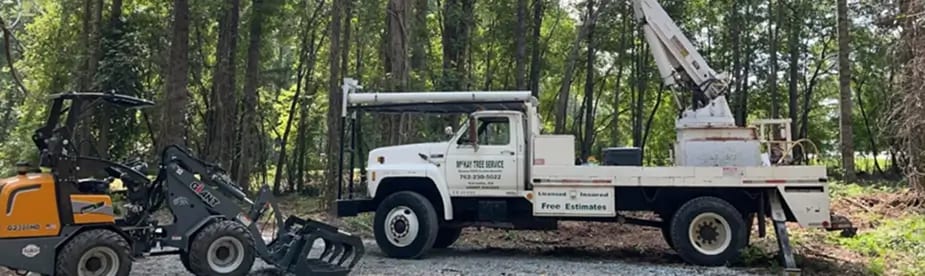
For homeowners who prefer expert guidance, McKay Tree Service is a trusted local provider with over a decade of experience offering professional tree services in Gainesville and Hall County. Our certified arborists specialize in soil testing, fertilization, and long-term tree health solutions for residential and commercial properties.
Resource:Hall County Extension Soil Testing (UGA Extension)