Key Takeaways:
- Zoning Compliance: Always verify Hall County and Gainesville-specific zoning and environmental buffers before breaking ground.
- Method Selection: Forestry mulching is often preferred over traditional bulldozing to preserve topsoil and prevent erosion.
- Tree Preservation: Identify and mark high-value hardwoods that should be protected during the clearing process.
- Drainage Strategy: Planning for water runoff is critical in the hilly terrain of the North Georgia foothills.
- Debris Management: Choose between on-site mulching or hauling based on your project’s final landscaping goals.
Hall County is currently experiencing a significant surge in residential and commercial development. From the expanding suburbs of Flowery Branch to the lakefront properties near Gainesville, the first step in any successful build is a well-executed land clearing plan. However, land clearing is far more than simply knocking down trees. It is a technical process that requires a deep understanding of local ecology, soil stability, and municipal regulations.
When you begin planning a new project in Northeast Georgia, the preparation phase determines the longevity and safety of your future structures. A poorly cleared lot can lead to foundation issues, drainage failures, and legal headaches. By following a structured approach to land clearing, you ensure that your Hall County project starts on solid ground.
Understanding Hall County Regulations and Permits
Before a single machine arrives on your property, you must navigate the regulatory landscape. Hall County and the City of Gainesville have specific ordinances designed to protect the local environment, particularly regarding erosion and sedimentation control.
For projects exceeding a certain acreage, you may be required to submit a Land Disturbance Permit (LDP). These regulations are strictly enforced to prevent silt from entering Lake Lanier and our local watersheds. Furthermore, many areas in Hall County are subject to Tree Protection Ordinances. These rules may mandate that a certain percentage of the existing tree canopy be preserved or that specific specimen trees, large, healthy, native hardwoods, be protected with orange safety fencing during construction. Failing to identify these buffers and protected zones can lead to heavy fines and project shutdowns.
Site Assessment: Soil, Slope, and Species
The diverse topography of Hall County presents unique challenges. A lot in the foothills of the Blue Ridge may have significant slopes that require specialized clearing techniques to prevent landslides. During your initial site assessment, you must evaluate the soil composition. Much of our region sits on heavy red clay, which is stable when dry but highly prone to erosion once the vegetation is removed.
You also need to conduct a species inventory. Not all trees are created equal. While you may want to clear out invasive Privet or Kudzu, you might want to save mature White Oaks or Maples that add tens of thousands of dollars in value to a finished home. An arborist-led assessment can help you decide which trees are healthy enough to survive the stress of construction and which are liabilities that should be removed during the clearing phase.
Choosing the Right Clearing Method
Modern land clearing has evolved beyond the traditional push and pile method using heavy bulldozers. Today, property owners in Hall County have several options depending on their goals:
- Forestry Mulching: Forestry Mulching is the gold standard for residential lots and eco-conscious projects. A forestry mulcher shreds vegetation and smaller trees into a fine mulch that stays on-site. This mulch acts as an immediate erosion control barrier and eliminates the need for burning or hauling.
- Traditional Clearing: For large commercial sites where the entire grade must be changed, bulldozers and excavators are used to remove trees and stumps. This is more invasive and requires a plan for stump disposal, often involving grinding or hauling to a vegetation landfill.
- Selective Clearing: If you are building a home within a wooded lot and want to maintain privacy, selective clearing allows you to remove only the underbrush and hazardous trees while leaving the primary canopy intact.
Planning for Drainage and Erosion Control
In North Georgia, water is your biggest enemy during the land clearing phase. Once the protective layer of forest floor is removed, the exposed clay is vulnerable to gully erosion. Your clearing plan must include a strategy for silt fences, hay bales, or temporary seeding to hold the soil in place.
Furthermore, you must consider the final grade of the land. How will water flow once a driveway and roof are installed? Clearing the land is the perfect time to install French drains, swales, or retention ponds. Planning these elements during the clearing phase is significantly more cost-effective than trying to fix a drainage issue after the landscaping is complete.
The Importance of Stump Removal and Grubbing
One of the most common mistakes in DIY or budget land clearing is neglecting the grubbing phase. Grubbing is the removal of roots and stumps. If stumps are simply cut flush with the ground and buried, they will eventually rot. As they decay, they create sinkholes or soft spots in the yard. If this happens near a foundation or driveway, it can cause catastrophic structural cracking. A professional clearing plan ensures that all organic material is properly managed in areas where future structures will stand.
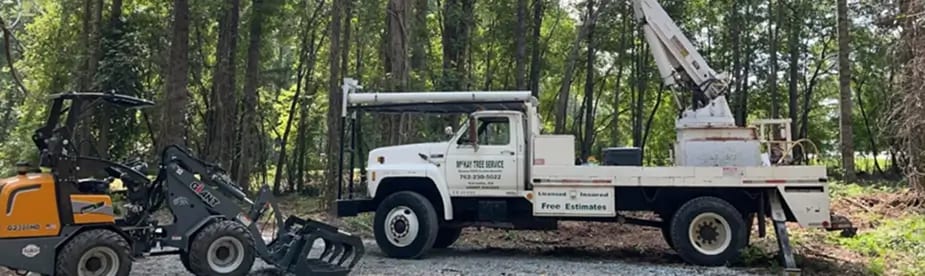
Planning a new construction or renovation project in Hall County requires a team that understands the local terrain and the complexities of land preparation. McKay Tree Service is a locally and family-owned company with over 11 years of hands-on expertise in Northeast Georgia. Voted Tree Service of the Year on Nextdoor, our 5-star rated team specializes in forestry mulching, land clearing, and arborist-led site assessments for both residential and commercial clients.
We are fully licensed, bonded, and insured, ensuring that your property is treated with the highest level of respect and safety. From Flowery Branch to Gainesville and Cornelia, we provide the specialized equipment necessary to clear your land efficiently while protecting the high-value trees you wish to keep. Our commitment to quality, combined with our 24/7 emergency response and expert guidance, makes us the most trusted partner for your next development project. Call McKay Tree Service today at (762)-227-1035 to schedule your free estimate and start your project with professional expertise you can trust.
Frequently Asked Questions by the Homeowners in Hall County, Georgia
Do I need a permit to clear a small residential lot in Hall County, Georgia?
It depends on the size of the area being cleared and the proximity to water. Generally, clearing under a certain threshold for maintenance is exempt, but new construction always requires a review of local ordinances.
Is forestry mulching better than burning brush?
Yes. Forestry mulching is safer, faster, and more environmentally friendly. It returns nutrients to the soil and provides immediate erosion control, whereas burning requires permits and carries fire risks.
Can I save specific trees during a full land clearing?
Absolutely. This is called selective clearing. We mark save trees and install protective barriers to ensure their root systems aren’t crushed by heavy machinery.
What is the average cost of land clearing in Hall County, Georgia?
Cost varies based on the density of the vegetation, the slope of the land, and the clearing method used. An on-site estimate is the only way to get an accurate price.
How long does it take to clear an acre of land?
Using a forestry mulcher, a typical acre of moderate brush can be cleared in one to two days. Traditional methods involving stump removal and hauling may take longer.
What happens to the wood after clearing?
Options include mulching it back into the soil, hauling it to a vegetation landfill, or sectioning it off for firewood.
Does clearing land increase property taxes in Georgia?
Clearing itself usually doesn’t increase taxes, but it is often the first step in improving the land, which will lead to a higher assessment once structures are built.
Can land clearing be done in the rain?
Light rain is manageable, but heavy rain on Hall County clay makes the ground too soft for heavy machinery and increases the risk of illegal silt runoff.
Summary Checklist: Planning Your Clearing Project
| Condition | Risk Level | Recommended Action |
|---|---|---|
| Property proximity to Lake Lanier | High | Review environmental buffer restrictions, permitting requirements, and applicable land disturbance rules before clearing |
| Steep slopes exceeding 15% | High | Use erosion-conscious clearing methods to reduce runoff, soil displacement, and slope instability |
| Presence of specimen oaks or protected mature trees | Moderate | Establish protective barriers around root zones and preserve critical drip line areas during site work |
| Dense underbrush or invasive vegetation | Moderate | Use efficient vegetation management methods to clear access while minimizing unnecessary soil disruption |
| Planned future foundation or building areas | Critical | Ensure complete stump and root removal where required to support proper grading and foundation preparation |
Final Advice
Success in land clearing is found in the details of the pre-clearing phase. Before any equipment enters your Hall County property, take the time to walk the land with a certified arborist to identify the health of your existing canopy; saving a 100-year-old oak is far easier than trying to replace one after it has been damaged by soil compaction. Ensure that your clearing contractor has a specific plan for ingress and egress to minimize damage to the surrounding landscape and prevent tracking red clay onto public roads, which can result in significant municipal fines. If you are clearing for a home site, prioritize the removal of all subterranean organic matter within 20 feet of your future foundation to avoid settling issues a decade down the line. Finally, remember that land clearing is the best opportunity you will ever have to correct drainage issues; consider the final lay of the land now to ensure your future home stays dry and secure. Beyond structural concerns, consider the long-term impact of sun exposure; removing too much canopy at once can cause “sunscald” on the bark of the remaining trees that were previously shaded. You should also verify the location of all underground utilities, including old septic lines common in rural Hall County, before any heavy grubbing begins.
Utilizing a forestry mulcher rather than a bulldozer can preserve the delicate mycorrhizal fungi in the soil that help your remaining trees thrive. If your project involves a waterfront lot, ensure your clearing plan strictly adheres to the 50-foot undisturbed buffer requirements to protect the water quality of Lake Lanier. Proper planning now prevents the need for costly retaining walls or emergency drainage repairs in the future. Always demand a written contract that specifies how debris will be managed, whether it is turned into nutrient-rich mulch or hauled away, to avoid hidden cleanup costs. By taking these extra steps during the planning phase, you transform a raw piece of Georgia land into a stable, sustainable foundation for your new project.