Key Takeaways:
- Soil Liquefaction: Heavy rain turns Georgia’s dense clay into a soft, unstable medium that loses its grip on heavy root systems.
- Increased Load: A rain-soaked canopy can add thousands of pounds of weight, shifting the tree’s center of gravity.
- Root Heave: Visible lifting of the soil near the trunk is a critical indicator of imminent structural failure.
- Underlying Decay: Rain often acts as the final straw for trees already weakened by root rot or pests.
- Preventive Action: Proper site grading and professional inspections can prevent catastrophic falls during rainy months.
Gainesville, Georgia, is famous for its rolling hills and a dense, beautiful canopy of mature hardwoods and pines. While these trees are the pride of Hall County, they face a recurring threat every time North Georgia experiences a heavy rainy season. While wind often gets the blame for downed trees, the silent culprit is frequently the volume of water saturating the ground. When the earth becomes a slurry, and the canopy becomes a heavy sponge, the mechanical balance of a tree is fundamentally compromised.
The Physics of Saturated Georgia Clay
The stability of any tree depends entirely on the friction between its roots and the surrounding soil. In Gainesville, we primarily deal with heavy red clay. When dry, this clay is exceptionally strong. However, it is also highly porous in a way that allows it to hold massive amounts of water.
During periods of heavy or sustained rain, the soil reaches a point of total saturation where the spaces between soil particles are filled with water. This creates a state of liquefaction where the soil behaves more like a liquid than a solid. For a large oak or maple, this means the anchor is no longer set in stone, but in a thick, lubricated mud. If the tree has any natural lean or is top-heavy, the lack of soil resistance allows the entire root plate to shift or walk through the mud, leading to a slow-motion collapse.
Weight Distribution and the Wet Canopy Effect
A tree is a masterpiece of natural engineering, but it isn’t designed to carry an infinite load. During a typical Gainesville downpour, every leaf, twig, and crevice in the bark acts as a catchment for water. A mature hardwood can have a surface area equivalent to several tennis courts. When that surface area is covered in a film of water, the weight added to the top of the tree can be staggering, often exceeding several thousand pounds.
This added weight is particularly dangerous because it occurs at the highest point of the tree, creating a lever effect on the root system. When you combine a top-heavy, water-weighted canopy with soil that has lost its grip, the tree becomes a ticking time bomb. Even without high winds, the simple force of gravity acting on a weighted, leaning tree can be enough to pull it from the earth.
Identifying Root Heave and Hydrostatic Pressure
One of the most dangerous results of heavy rain is hydrostatic pressure. This is the pressure exerted by water at rest. In poorly drained areas of a property, water can pool and actually push upward against the bottom of a tree’s root plate.
Homeowners should look for root heave, which is the most common sign of rain-induced instability. This appears as a mound of earth or a bubble in the grass on the side of the tree opposite the lean. If you see fresh cracks in the soil or if the grass looks like it has been pulled taut, the tree is actively failing. In Gainesville’s hilly terrain, water runoff can also wash away the topsoil covering the roots, further exposing the system to the elements and reducing its structural integrity.
The Hidden Danger of Root Rot
Rain doesn’t just cause immediate physical failure; it also contributes to long-term biological instability. Fungi like Armillaria or Phytophthora thrive in the damp, anaerobic conditions created by frequent North Georgia rain. These fungi eat away at the anchor roots, the thick, woody roots that hold the tree up, while leaving the smaller feeder roots intact.
This creates a deceptive tree: one that looks green and healthy above ground but has almost no connection to the earth below. When the heavy rains come, these rotted roots snap like dry kindling. This is why many residents are shocked when a seemingly healthy, vibrant tree falls over in a rainstorm. When the heavy Georgia rains turn your yard into a hazardous landscape, you need a local team that understands the specific challenges of Hall and Habersham counties.
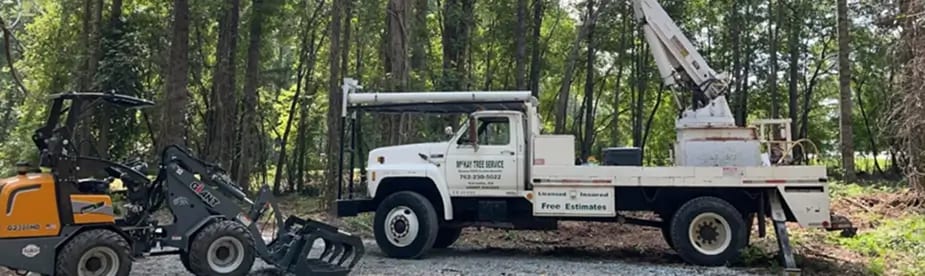
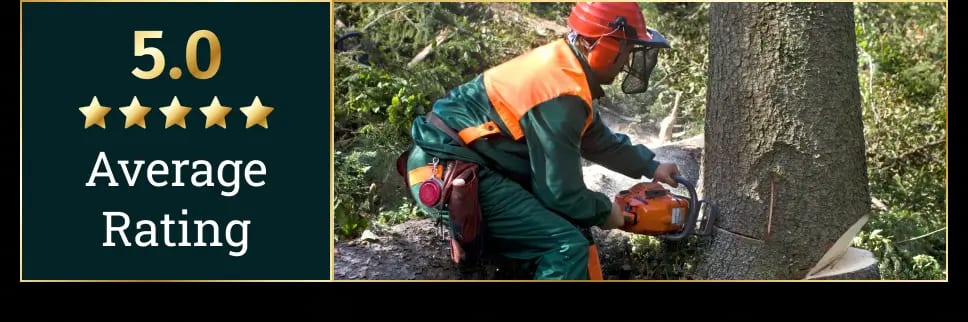
McKay Tree Service is a locally and family-owned business with over 11 years of hands-on expertise in Northeast Georgia. We are the most experienced and trusted tree service in the area, holding a 5-star rating for our commitment to safety and respect for property. Our team is fully licensed, bonded, and insured, offering 24/7 emergency response for trees that have become unstable due to soil saturation. We use specialized equipment for high-risk removals and offer expert arborist consultations to identify root rot before the next storm hits.
Whether you need preventative cabling or immediate debris removal, McKay Tree Service provides award-winning care tailored to the Gainesville community. Call us at (762) 227-1035 or visit 527 Wayside St S, Cornelia, GA 30531.
Frequently Asked Questions by Homeowners in Georgia
Why do trees fall days after the rain has stopped in Gainesville, GA?
Soil stays saturated long after the clouds clear. In heavy clay, it can take days for the water to drain, meaning the tree remains in a liquid anchor until the ground dries and firms up.
Is it safe to walk near a leaning tree after heavy rain in Georgia?
No. If a tree shows any sign of shifting after rain, the entire area within the fall zone (usually 1.5 times the height of the tree) should be evacuated until a professional arrives.
How does Gainesville’s hilly terrain affect tree stability?
Sloped land leads to faster water runoff, which can cause soil erosion around root systems. Furthermore, trees on slopes already deal with uneven weight distribution.
Can mulch help protect trees from heavy rain?
A proper layer of mulch can help regulate soil moisture, but too much mulch piled against the trunk (a mulch volcano) can actually trap moisture and promote root rot.
What is a hazard tree in the context of rain?
A hazard tree is any tree with a structural defect (like rot or a lean) that is located near a target (like a house or driveway) and is likely to fail under environmental stress like heavy rain.
Do certain species in Georgia handle rain better than others?
Bald Cypress and certain Willows are adapted to wet feet, whereas many species of Pine and Oak prefer well-drained soil and are more prone to failure in saturated conditions.
Should I brace my trees before the rainy season?
If you have a high-value tree with a structural split or a heavy lean, professional cabling and bracing can provide the extra support needed to survive Gainesville’s wet months.
Will my insurance pay for a tree inspection?
Usually, no. However, a professional arborist report can be a valuable document to show your insurance company that you have performed due diligence in maintaining your property.
Summary Checklist: Tree Stability After Heavy Rain
| Condition | Risk Level | Recommended Action |
|---|---|---|
| Saturated liquid soil around the root zone | High | Watch for movement, keep clear of the potential fall zone, and monitor conditions closely |
| Visible root heave or lifting of soil | Critical | Treat as an immediate failure risk and arrange an urgent emergency professional assessment |
| Water-weighted canopy with noticeable lean | High | Request a prompt professional inspection to assess structural loading and stability |
| Hydrostatic soil bubbling or pressure movement | Moderate to High | Inspect for compromised root anchorage and weakening soil-to-root connection |
| Softened roots or suspected fungal root rot | High | Arrange a licensed arborist evaluation for decay, structural integrity, and failure risk assessment |
Final Advice
Managing tree stability in the Gainesville area requires a proactive approach to soil health and drainage management. If your property is prone to standing water or sits at the base of a slope, consider installing French drains or grading the land to divert runoff away from your large hardwoods. Remember that the weight of a rain-soaked canopy is a massive physical force; thinning out a dense canopy before the rainy season begins can significantly reduce the wind sail and weight load on the roots. Always keep an eye out for weeping wounds on the trunk or horizontal cracks in the soil, as these are the earliest indicators that the root-to-soil bond is breaking. Never attempt to stake a large mature tree yourself after it begins to lean, as the tension involved is enough to snap steel cables and cause fatal injuries. To prevent unexpected failures, schedule an annual arborist inspection to check for hidden decay that water saturation often exploits. Properly balanced trees with deep, healthy root systems are your best defense against the unpredictable North Georgia climate.