Loblolly pines in Northeast Georgia commonly lean or fail due to shallow root systems in clay soil, saturated ground after heavy rain, strong winds, and stress from pests like the Southern Pine Beetle or diseases such as Fusiform rust. When roots lose stability or decay develops, these tall pines can fail suddenly, making professional evaluation essential for safety.
Key Takeaways
- Loblolly pines in Northeast Georgia often lean or fail due to clay soil, high winds, pests, and disease.
- Southern Pine Beetles and Fusiform rust significantly weaken pine structure and roots.
- Tree removal permits may be required depending on the location and tree condition.
- Recognizing early signs of instability, disease, or pest infestation can prevent costly damage and ensure safety.
- Professional tree services, like McKay Tree Service, offer the expertise, equipment, and safety protocols necessary for effective assessment and remediation.
- Proactive tree care, proper planting, and regular health checks are essential for long-term Loblolly pine vitality.
What is a Loblolly Pine, and why is it Common in Northeast Georgia?
The Loblolly Pine (Pinus taeda) is a fast-growing, evergreen conifer native to the southeastern United States, making it one of the most common and economically significant pine species in Georgia. Its rapid growth and adaptability have led to its widespread presence in Northeast Georgia, from residential yards to commercial forests. However, this prevalence also means that when problems arise, they can affect many properties across the local area.
Understanding Loblolly Pine Leaning and Root Failure
Causes of Leaning Loblolly Pines
Loblolly pines lean for a combination of environmental and structural reasons, often exacerbated by local conditions.
- Saturated Soil: Northeast Georgia’s heavy rainfall can quickly saturate the region’s prevalent clay soils. This turns the ground into a less stable medium, reducing the friction and cohesion that typically anchor roots.
- High Winds: Strong winds, common during thunderstorms or winter storms in areas like Gainesville, Flowery Branch, and Clarkesville, exert immense pressure on the tall crowns of Loblolly pines. When combined with wet, weak soil, this force can easily push trees off-kilter.
- Poor Root Development: In compacted or poorly drained clay soils, Loblolly roots may not develop deep, widespread anchoring systems. Instead, they might grow more superficially, making the tree inherently less stable.
- Asymmetrical Crown: An uneven distribution of branches, often due to previous storm damage, improper pruning, or competing light, can create an imbalanced canopy that acts like a sail in the wind, increasing leaning potential.
The Dangers of Root Failure
Root failure in Loblolly pines means the tree’s primary anchoring system is compromised, leading to severe instability and danger.
- Sudden Collapse: Unlike a slow lean, severe root failure can lead to a sudden, catastrophic collapse with little warning, especially during storms.
- Property Damage: A falling Loblolly pine can cause extensive damage to homes, vehicles, fences, and other structures, leading to costly repairs.
- Personal Injury: The risk of serious injury or fatality from a falling tree is significant, making prompt action crucial.
- Hidden Issues: Root rot or unseen damage can weaken the tree from below ground, making it appear healthy until it’s too late.
Specific Loblolly Pine Diseases & Pests in Northeast Georgia
Beyond structural issues, Loblolly pines in Northeast Georgia contend with specific diseases and pests that can weaken them from the inside out.
- Fusiform Rust: This is the most damaging disease for Loblolly pines in the Southeast. Caused by the fungus *Cronartium quercuum f. sp. fusiforme*, it creates distinctive cankers or galls on stems and branches. Infections often occur early in the tree’s life, before age five. Oaks, common in mixed pine-hardwood stands, contribute to the rust’s life cycle. Learn more about Fusiform rust from the University of Georgia.
- Southern Pine Beetle (SPB): The most destructive native forest pest in the Southeast, SPB is a primary threat to Loblolly pines. These beetles bore into the bark, creating galleries that disrupt nutrient and water flow. Recent Georgia Forestry Commission data shows widespread Southern Pine Beetle activity statewide, with long-term losses totaling hundreds of millions of dollars in pine tree damage. Common warning signs include pitch tubes (small resin masses) on the bark and reddish-brown boring dust on the trunk and around the base of the tree. Find out more about SPB from the Georgia Forestry Commission.
- Diplodia Tip Blight: Caused by *Diplodia sapinea*, this disease can lead to significant defoliation and even complete crown defoliation, particularly in mature Loblolly pines stressed by drought, soil compaction, or poor planting. You’ll notice browning needle tips and stunted new growth.
- Heterobasidion Root Disease: This fungal disease is especially active in well-drained, coarse-textured soils, often following winter thinning. It attacks the roots, leading to decay and eventual tree mortality, making it a silent killer that compromises stability.
Northeast Georgia’s Unique Environmental Impact on Loblolly Pines
Soil Conditions: The Clay Conundrum
The very ground beneath our feet plays a critical role in Loblolly pine health and stability.
- Heavy Clay Soils: North Georgia is characterized by heavy clay soils. While nutrient-rich, these soils compact easily and drain poorly.
- Poor Drainage: Saturated clay prevents oxygen from reaching roots, leading to root suffocation and increased susceptibility to root rot.
- Soil Compaction: Construction, foot traffic, or heavy equipment can compact clay soil, making it difficult for roots to spread and anchor effectively. This limits water and nutrient uptake.
- pH Imbalances: Extreme pH levels in clay soils can hinder a tree’s ability to absorb essential nutrients, leading to chronic stress and weakening.
Weather Extremes: Wind, Ice, and Drought
The region’s weather patterns can turn a healthy Loblolly into a hazard overnight.
- Heavy Winds: Frequent severe weather events, including thunderstorms and tropical storm remnants, bring high winds that test the stability of even healthy Loblolly pines, especially when soils are saturated.
- Ice Storms: Periodic ice storms can accumulate significant weight on branches, leading to limb breakage and structural damage, making trees more vulnerable to future winds.
- Drought Conditions: While Loblolly pines tolerate some drought, prolonged dry spells stress trees, making them more susceptible to insect infestations and diseases.
- Rapid Temperature Fluctuations: Unpredictable temperature shifts, late frosts, or unusually warm winters can disrupt natural growth cycles, further stressing Loblolly pines.
Local Regulations and Tree Care Permits
Navigating local regulations is a necessary step when dealing with tree removal in Northeast Georgia.
- Varying Ordinances: While Georgia doesn’t have a statewide law prohibiting private property tree removal, individual municipalities and counties (like Habersham, Hall, and cities such as Gainesville, Cornelia, and Clarkesville) often have their own tree protection ordinances.
- Permit Requirements: Permits are frequently required for tree removal, especially for larger trees or those on public land. Always check with your local planning or public works department.
- Property Line Trees: Trees on a property line are considered shared property; their removal or significant alteration requires mutual consent from both neighbors.
- Replanting/Compensation: Some areas may require replanting or compensation fees for removing healthy trees to maintain ecological balance.
Recognizing the Signs of a Failing Loblolly Pine
Visual Cues of Leaning and Instability
Catching these issues early can prevent a minor concern from escalating into a dangerous situation.
- Noticeable Lean: Is the tree significantly tilted, especially after a storm? A slight lean might be natural, but a sudden or pronounced change is a red flag.
- Soil Mounding or Cracking: Look for soil upheaval around the base of the trunk. This indicates the root plate is lifting, a clear sign of instability.
- Exposed Roots: Are roots visibly lifting out of the ground on the side opposite the lean? This confirms root system failure.
- Cracks in the Trunk or Branches: While some cracks are normal, deep or spreading cracks, especially at the base or major branch unions, can signal structural weakness.
Symptoms of Root Damage and Disease
Beyond physical lean, the tree itself will often show signs of internal distress.
- Needle Discoloration: Yellowing, browning, or premature shedding of needles can indicate stress, nutrient deficiencies, or disease.
- Stunted Growth: A lack of new growth or abnormally short needles compared to previous years suggests the tree isn’t thriving.
- Fungal Growth: Mushrooms or conks (bracket fungi) growing at the base of the tree or on the trunk are strong indicators of internal wood decay and root rot.
- Pest Evidence: Look for pitch tubes (small resin blobs) on the trunk, fine sawdust, or tiny boreholes, which signal active insect infestations like the Southern Pine Beetle.
Professional Intervention: When to Call McKay Tree Service
Assessing Risk and Damage
Attempting to address a compromised Loblolly pine yourself is incredibly dangerous and often ineffective.
- Safety First: Tree work, especially involving large, unstable Loblolly pines, is among the most dangerous professions. Professional arborists have the training and equipment to do it safely.
- Accurate Diagnosis: An expert can accurately diagnose the cause of leaning, root failure, or disease, which is crucial for the correct remediation.
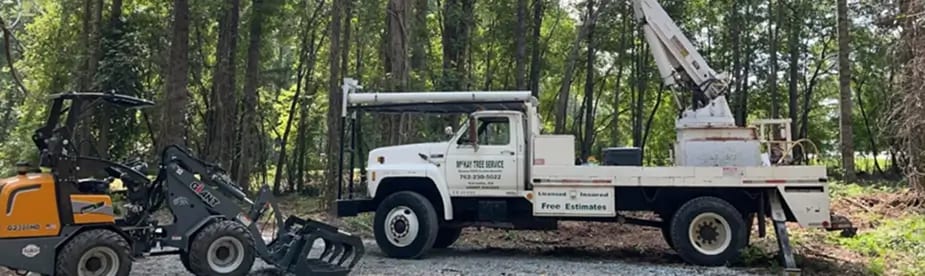
- Specialized Equipment: Proper removal or stabilization often requires cranes, specialized rigging, and heavy machinery that homeowners simply don’t have.
- Hidden Dangers: What appears to be a simple lean could be a complex root system failure, or a seemingly healthy tree could be riddled with internal decay.
The McKay Tree Service Advantage
For residents in Habersham, Hall, and surrounding communities like Cornelia, Gainesville, Flowery Branch, Turnerville, Gillsville, Lula, Alto, Baldwin, Clarkesville, and Mount Airy, McKay Tree Service offers unparalleled expertise.
- Local & Family-Owned: We understand Northeast Georgia’s unique environmental challenges and local regulations.
- Licensed, Bonded, and Insured: This protects you and your property from any unforeseen incidents, a critical factor given the high-risk nature of tree care. The Better Business Bureau recommends verifying these credentials.
- Over 11 Years of Experience: Our team has extensive experience handling complex Loblolly pine issues, from delicate removals to comprehensive health assessments.
- 5-Star Rating: Our reputation is built on safety, efficiency, professionalism, and thorough cleanup, addressing common customer pain points directly.
- Free Estimates: We provide transparent, competitive pricing with no hidden fees, helping you make informed decisions.
DIY vs. Professional Tree Care for Loblolly Pines
| Feature | DIY Approach | Professional Approach |
| Safety | High risk of injury, property damage, or fatality. Tree care has one of the highest occupational fatality rates. | Risk is minimized with trained crews, specialized equipment, and strict safety protocols. Insured protection. |
| Expertise | Limited understanding of tree pathology, structure, and local environmental factors. | Deep knowledge of species-specific issues, pests, diseases, and regional soil and weather conditions. |
| Equipment | Basic tools often unsuitable for large or hazardous trees. | Access to cranes, rigging systems, stump grinders, and professional safety gear. |
| Cost | Lower upfront cost but high risk of expensive mistakes or property damage. | Transparent pricing with free estimates. Prevents costly long-term problems. |
| Cleanup | Labor-intensive and often incomplete. | Complete debris removal and thorough site cleanup. |
| Permits / Regulations | May overlook local ordinances or permit requirements. | Familiar with local regulations and can guide compliance. |
Preventative Measures and Long-Term Care for Loblolly Pines
Proper Planting and Site Selection
The best defense against Loblolly pine problems is proactive planning and proper care from the start.
- Choose the Right Spot: Plant Loblolly pines in areas with adequate space for their mature size, away from structures and power lines, and where soil drainage is optimal.
- Avoid Compaction: Prevent soil compaction around young trees. If planting in clay soil, consider amending it to improve drainage, though Loblollys generally adapt.
- Proper Spacing: Ensure adequate spacing between trees to prevent overcrowding, which can lead to competition for resources and increased susceptibility to pests and diseases.
- Consider Soil pH: Loblolly pines prefer slightly acidic to neutral soils (pH 5.0-6.5). Test your soil and amend if necessary to support healthy growth.
Ongoing Maintenance and Health Checks
Ongoing vigilance can make a huge difference in your tree’s longevity and health.
- Regular Inspections: Periodically inspect your Loblolly pines for signs of stress, disease, or pest activity. Look for discolored needles, unusual growths, or insect evidence.
- Strategic Pruning: Remove dead, diseased, or damaged branches to improve tree health and reduce potential hazards. Proper pruning also improves air circulation and light penetration.
- Adequate Watering: During prolonged dry spells, especially for younger trees, ensure they receive sufficient water to reduce drought stress.
- Mulching: Apply a layer of organic mulch around the base of the tree (keeping it away from the trunk) to conserve moisture, regulate soil temperature, and suppress weeds.
Cost of Loblolly Pine Removal and Remediation in Northeast Georgia
Factors Influencing Pricing
Understanding the factors that influence tree service costs helps homeowners budget effectively.
- Tree Size and Height: Taller, larger-diameter Loblolly pines require more time, equipment, and crew members, increasing costs.
- Location and Accessibility: Trees in difficult-to-reach areas, close to power lines, or over structures (like homes in Gainesville or Cornelia) demand specialized techniques and equipment, driving up the price.
- Condition of the Tree: A severely leaning, diseased, or dead Loblolly pine is more dangerous to remove, requiring extra precautions and potentially specialized crane work.
- Emergency Services: Urgent removals due to storm damage or immediate hazard will typically incur higher costs than scheduled services.
- Additional Services: Stump grinding, wood chipping, and hauling away debris are often separate services that add to the total cost.
Getting a Transparent Estimate from McKay Tree Service
McKay Tree Service prides itself on providing clear, upfront pricing.
- Free On-Site Assessment: We offer complimentary, no-obligation estimates. A specialist will visit your property in Habersham, Hall, or the surrounding areas to assess the Loblolly pine’s condition and the scope of work.
- Detailed Breakdown: Our estimates provide a clear breakdown of all anticipated costs, ensuring you understand what you’re paying for.
- Competitive Pricing: We strive to offer fair and competitive rates for our high-quality, safe, and professional tree services.
- No Hidden Fees: What we quote is what you pay. We believe in transparency and trust with our clients. To schedule your free estimate, simply Contact Us. We serve clients across Northeast Georgia, including Flowery Branch, Lula, and Baldwin.
Frequently Asked Questions
Why are Loblolly Pines leaning in Northeast Georgia?
Loblolly pines in Northeast Georgia lean due to factors like saturated clay soils, strong winds, and compromised root systems. Poor drainage and soil compaction weaken their anchorage, making them susceptible to tipping, especially after heavy rains or during severe storms. Early detection and professional assessment are key to preventing hazards.
What diseases and pests commonly affect Loblolly Pines in this region?
Common diseases include Fusiform rust, which causes cankers, and Diplodia Tip Blight, leading to needle discoloration and crown defoliation. Pests like the Southern Pine Beetle are particularly destructive, boring into trees and causing widespread mortality. Environmental stressors often make trees more vulnerable to these threats.
How can I tell if my Loblolly Pine has root failure?
Signs of root failure include noticeable leaning, soil mounding or cracking around the base, exposed roots, sparse or discolored foliage, and reduced growth. These symptoms indicate a compromised anchoring system, making the tree unstable and a potential hazard, especially during windy conditions.
Do I need a permit to remove a Loblolly Pine in Northeast Georgia?
Many municipalities and counties in Northeast Georgia require permits for tree removal, especially for larger or healthy trees. Regulations vary, so it’s essential to check with your local government (e.g., Gainesville, Cornelia, Clarkesville) before proceeding. McKay Tree Service can help navigate these requirements.
What is the typical cost for Loblolly Pine removal in Northeast Georgia?
The cost of Loblolly pine removal depends on factors like tree size, location, accessibility, and the complexity of the job. Trees leaning over structures or near power lines will cost more. McKay Tree Service offers free, transparent estimates to help you understand the investment involved.
When is it critical to call a professional for Loblolly pine issues?
You should call a professional like McKay Tree Service immediately if you notice significant leaning, sudden changes in tree health, large cracks in the trunk or soil, or signs of pest infestation. Early intervention can prevent property damage, injury, and more costly emergency removals.
Protect Your Property from Loblolly Pine Risks in Northeast Georgia
Addressing Loblolly pine problems in Northeast Georgia requires a clear understanding of local conditions and specific tree vulnerabilities. From leaning hazards to insidious root diseases, these issues demand prompt, professional attention. Don’t wait for a small problem to become a significant risk to your property or family. For expert assessment, safe removal, and reliable tree care solutions across Habersham, Hall, and surrounding counties, trust the experienced team at McKay Tree Service. We’re here to protect your property and ensure the health of your landscape. Visit McKay Tree Service today to schedule your free estimate.