Key Takeaways:
- The Southern Pine Beetle (SPB) Threat: SPB is the most destructive forest insect in the Southeast, capable of killing a healthy pine in just 2 to 4 weeks.
- Pitch Tubes: Small, popcorn-shaped globs of white or reddish resin on the bark are the primary “first alerts” that beetles are boring into your tree.
- Needle Color Cycle: Infested pines typically transition from green to yellow, then red, and finally brown as the tree’s vascular system fails.
- The “Spot” Dynamic: These beetles attack in groups; if one tree is infested, your entire pine stand is at immediate risk.
- Drought and Stress: Habersham County’s seasonal dry spells weaken pine defenses, making them prime targets for beetle “scouts.”
For homeowners in Clarkesville, Cornelia, and throughout Habersham County, the towering pines of North Georgia are a hallmark of the landscape. However, beneath the bark of a seemingly healthy Loblolly or Shortleaf Pine, a silent war may be unfolding. The Southern Pine Beetle (SPB) is a native predator that, under the right conditions, can devastate residential properties with terrifying speed. Understanding how to spot an attack in its earliest stages is the only way to save your remaining timber.
The Anatomy of an Attack
Unlike other pests that target already-dying wood, the Southern Pine Beetle is aggressive enough to attack healthy trees. They bore through the bark and create “S-shaped” galleries in the cambium layer – the tree’s lifeblood effectively girdling the tree from the inside out.
- The “Popcorn” Warning: When a beetle bores into a pine, the tree tries to “pitch” it out by pumping resin into the hole. This creates “pitch tubes.” If you see small, white or reddish resin globs that look like popcorn stuck to the bark crevices, your tree is actively fighting an invasion.
- S-Shaped Galleries: If you peel back a small section of bark on a suspected tree, you will see winding, S-shaped tunnels packed with sawdust. This is a definitive sign of SPB, distinguishing it from the less aggressive Ips beetle, which usually creates straight or Y-shaped galleries.
Why Habersham County Pines are at Risk
The rolling terrain and varied climate of North Georgia play a significant role in beetle activity.
- Overcrowded Stands: Many properties in our area feature dense, unmanaged pine thickets. These “stressed” environments allow beetles to jump easily from one tree to the next.
- Seasonal Drought: When North Georgia experiences dry spells, pines cannot produce enough resin to “pitch out” the beetles. A thirsty tree is a defenseless tree.
- Lightning and Storm Damage: Recent storms in Habersham County can leave trees wounded. The scent of fresh pine resin from a broken limb acts as a “dinner bell” for SPB scouts.
Why Early Detection Matters for Removal
Once the needles of a pine turn reddish-brown, the tree is already dead. At that point, the focus shifts from “saving” to “containing.”
- Stop the “Spot”: Beetle infestations move in “spots.” By identifying the “active” front of the trees that still look green but show pitch tubes, you can remove them before the beetles emerge to attack your neighbor’s trees.
- Safety First: A pine killed by beetles becomes brittle and dangerous within months. Removing them early prevents them from becoming “leaners” during the next Habersham County windstorm.
3 Signs You Need a Professional Evaluation
- Dust in the Bark: Check the base of the tree and the bark crevices for fine, reddish-brown boring dust (frass). This is the “sawdust” produced as beetles chew through the outer layers.
- The Crown Color Shift: Look at the very top of your pines. If the crown is beginning to fade to a pale green or yellow while surrounding trees are vibrant, the vascular system is likely failing.
- Exit Holes: Once the new generation of beetles matures, they leave the tree through tiny, circular holes that look like someone hit the trunk with birdshot. If you see these, the beetles have already moved on to the next tree.
Frequently Asked Questions
Can an infested pine tree be saved?
If caught very early (only a few pitch tubes), systemic treatments can sometimes work. However, once the needles turn yellow, the tree is usually beyond recovery and should be removed to protect the rest of your property.
Why did the beetles pick my tree?
Beetles look for “stress signals.” This could be root damage from recent construction, drought stress, or simply the tree being over-mature.
Is Southern Pine Beetle wood safe for firewood?
It can be used, but it should be burned on-site. Moving infested pine wood to other areas can spread the beetles to healthy forests.
How fast do these beetles move?
During peak summer months, a beetle “spot” can expand by several trees per week. Swift action is the only way to halt the progress.
Does Brawner’s Tree Service handle large-scale pine removal?
Yes. We specialize in everything from single-tree residential removals to larger land clearing projects in Habersham County.
Conclusion
A Southern Pine Beetle infestation is a race against time. For Habersham County homeowners, the cost of waiting is often the loss of an entire pine stand. By monitoring your trees for pitch tubes and crown fading, you can take control before the “spot” grows.
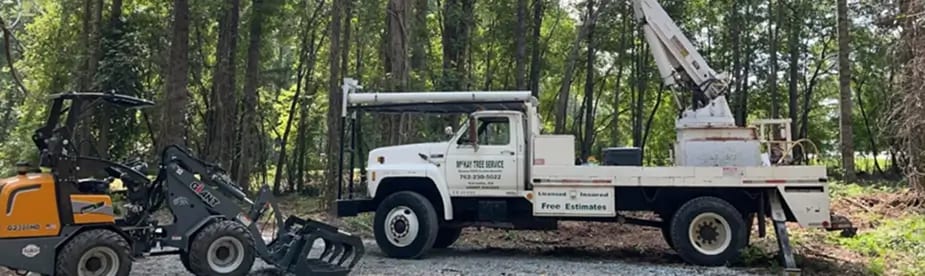
Defend your North Georgia landscape from the rapid devastation of beetle “spots” with the precision care of McKay Tree Service. Specializing in expert tree removal and large-scale emergency clearing, our team provides the rapid response and heavy-duty equipment necessary to halt infestations before they claim your entire pine stand. From hazardous extractions to total site cleanup, we deliver the professional, budget-friendly solutions that homeowners in Clarkesville and Cornelia trust to keep their properties safe and beautiful.