Tree branches hanging over roofs and driveways are one storm away from turning into costly damage. In Northeast Georgia, heavy rain, ice events, and fast-growing trees make overhanging limbs far more dangerous than most homeowners realize. Knowing what warning signs to look for and when professional removal is necessary can prevent roof damage, vehicle loss, and serious safety hazards.
Key Takeaways
- Hazardous tree branches can cause extensive property damage, safety risks, and legal liabilities, especially in Northeast Georgia’s unique climate.
- Recognize warning signs like dead limbs, cracks, weak branch unions, and fungal growth to identify problematic branches early.
- Proactive measures like regular pruning and arborist assessments are crucial for prevention and long-term tree health.
- Always hire a professional tree service for large, complex, or storm-damaged branch removals to ensure safety and compliance.
- Costs for professional removal in Georgia can range from $2,000 to over $10,000 for complex jobs, with insurance typically covering only post-damage incidents.
What Are Hazardous Tree Branches?
Hazardous tree branches are limbs that pose a direct threat to people, property, or structures due to their condition, location, or potential for failure. These are not merely branches that are ‘too long’; they are limbs exhibiting signs of weakness, disease, or structural instability that could lead to them falling unexpectedly.
Why Overhanging Branches Are a Major Risk
Overhanging branches present a variety of risks, from minor inconveniences to severe structural damage and legal complications.
Damage to Property (Roof, Driveway, Foundation)
The most immediate concern is physical damage to your home or vehicle. Falling branches can puncture roofs, damage shingles, break windows, dent cars, and even compromise foundations if roots become invasive.
Safety Hazards (Falling Limbs, Electrical Issues)
Beyond property damage, falling limbs can injure people or pets. Branches near power lines can also create fire hazards or cause power outages, which are particularly dangerous during storms.
Legal & Liability Concerns (Georgia-Specific Laws)
Under the Georgia ‘Visibly Dead or Diseased’ Rule (reaffirmed in GT&AKG v. Neighbor 2026), liability for a fallen tree only shifts to the owner if the decay was ‘patently visible.’ To protect your legal standing, experts recommend sending a Certified Letter to neighbors if their overhanging branches show clear signs of rot, as this establishes the necessary ‘notice’ required by Georgia courts. Local ordinances also Local municipalities across Northeast Georgia typically enforce a 14-foot vertical clearance for branches overhanging public streets and an 8-foot clearance over sidewalks. Failure to maintain these ‘Safety Sight Triangles’ can result in city-mandated pruning at the homeowner’s expense.
Local Climate Impact (Ice, Clay Soil, Fast-Growing Trees)
Northeast Georgia’s climate significantly amplifies these risks. Our region experiences:
- Unstable Clay Soils: The prevalent red clay, when saturated during heavy summer storms, can cause root systems to fail, leading to healthy-looking trees uprooting entirely.
- Ice Storm Vulnerability: Periodic severe ice storms are common. Even a modest 0.25 to 0.75 inches of ice accumulation can increase a branch’s weight by 10 to 30 times, leading to catastrophic limb failure.
- Fast-Growing Softwoods: Species like Loblolly Pines and Yellow Poplars grow rapidly over roofs and into power lines. Their weaker wood structure makes them particularly susceptible to storm damage, unlike more robust hardwoods.
Identifying Warning Signs of Problematic Branches
Spotting the warning signs early can prevent a minor issue from becoming a major disaster. Regular inspection of your trees, especially those near structures, is essential.
- Dead or Dying Limbs: Branches without leaves during the growing season, or those with brittle, dry wood, are prime candidates for failure.
- Cracks and Splits: Look for deep cracks in the bark or wood, especially at branch unions or along the main trunk. These indicate structural weakness.
- Weak Branch Unions: Branches that form a ‘V’ shape rather than a ‘U’ shape, where they attach to the trunk, are often weaker and more prone to splitting under stress.
- Fungal Growth and Pests: Mushrooms, conks, or large insect infestations on the trunk or branches can signal internal decay and compromised structural integrity.
- Excessive Leaning: A tree or branch that has developed a pronounced lean, particularly after a storm or ground saturation, indicates root instability.
- Proximity to Structures & Utility Lines: Even healthy branches can be hazardous if they’re constantly scraping against your roof, driveway, or power lines, potentially causing abrasion damage or electrical shorts.
Prevention Strategies: Proactive Tree Care
Proactive tree care is the most effective way to reduce risk and protect long-term tree health. Addressing issues early helps prevent storm-related damage and costly repairs.
Regular Trimming and Pruning
Routine trimming removes dead, diseased, or weakened branches before they become a hazard. Proper pruning also improves overall structure, supports healthy growth, and lowers the risk of future limb failure.
Arborist Assessments
A professional arborist can evaluate trees for health, stability, and hidden structural issues. These assessments identify early signs of decay, disease, and weak growth patterns that are easy to overlook, helping guide decisions on preventive care or safe removal.
Proper Tree Selection and Placement
When planting new trees, consider mature size, growth patterns, and proximity to homes, driveways, and utility lines. Choosing species suited to local climate and soil conditions helps avoid long-term safety and maintenance issues.
When to Call a Professional Tree Service
While some light yard work can be handled on your own, tree work involving large branches or nearby structures is dangerous and best left to trained professionals. You should call a professional tree service in the following situations.
Large Branches or Heights
If a branch is too large to cut safely from the ground or requires climbing a ladder, professional equipment and experience are necessary to avoid injury or property damage.
Proximity to Power Lines
Tree work near power lines is extremely hazardous and should only be handled by professionals with proper training and coordination to prevent electrocution or service disruptions.
Storm Damage
After severe weather, damaged or fallen trees often require immediate attention. See professionals can stabilize hazardous trees and reduce the risk of further damage or injury.
Complex Removals
Trees that are leaning, diseased, or positioned close to homes, driveways, or other structures require precise cutting and controlled removal to prevent accidental damage.
Permit Requirements
Some local regulations require permits for removing large or protected trees. Professional tree services are familiar with these requirements and can help ensure compliance.
The Professional Process: What to Expect
Hiring a professional tree service ensures the job is done safely, efficiently, and with minimal impact on your property. Here’s what you can expect from a top-tier service.
Initial Assessment & Quote
A reputable service will start with a thorough inspection of the tree and its surroundings. They’ll assess the health of the tree, identify potential hazards, and discuss the best approach for removal or trimming, providing a detailed quote.
Safe Removal Techniques (Rigging, Cranes)
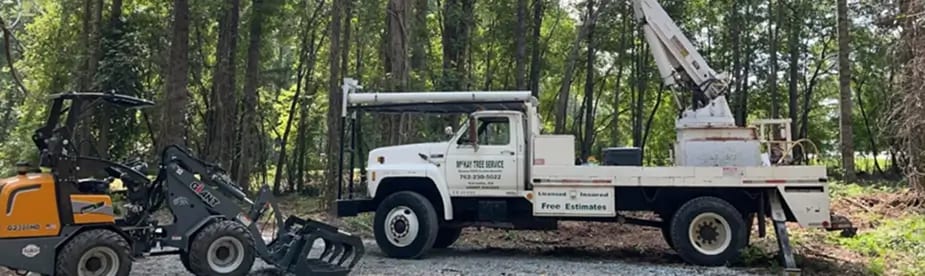
Professionals use advanced techniques and equipment. This includes rigging systems to safely lower heavy limbs, and for complex jobs near homes or delicate landscapes, specialized crane-assisted removals. This minimizes risk to your property and the crew.
Cleanup and Debris Removal
One of the most common customer complaints with lower-tier services is poor cleanup. A premier service, like McKay Tree Service, prides itself on ‘immaculate’ cleanup, ensuring all wood chips, branches, and debris are removed, leaving your property cleaner than they found it.
Permits and Regulations (Local Ordinances)
Depending on your location and the size of the tree, permits may be required. A professional service will guide you through this process and ensure all work complies with local ordinances, avoiding potential fines.
Cost of Tree Branch Removal: Factors & Estimates
Understanding the costs involved and how insurance might factor in is crucial when considering tree branch removal.
Factors Influencing Cost
Several elements influence the final price for tree branch removal:
- Tree Size and Type: Larger, denser trees require more time and specialized equipment.
- Location and Accessibility: Trees in confined spaces, near power lines, or on steep terrain increase complexity and cost.
- Branch Size and Position: Removing a single small branch is cheaper than a large, heavy limb precariously balanced over a roof.
- Equipment Needed: Crane-assisted removals, while safer and more efficient for large jobs, add to the overall cost.
- Emergency vs. Scheduled Work: Emergency storm response often comes at a higher premium due to immediate dispatch and hazardous conditions.
DIY vs Professional Tree Branch Removal in Northeast Georgia
| Factor | DIY Approach (High Risk) | Professional Tree Service (Best Practice) |
| Safety | High risk of falls, chainsaw injuries, and electrocution. Ladder work with power tools frequently causes serious injuries. | Trained crews use safety gear, controlled cutting methods, and liability protection to minimize risk. |
| Equipment | Basic tools such as ladders and homeowner chainsaws are unsafe for large or elevated limbs. | Professional equipment, including lifts, rigging systems, cranes, and wood chippers. |
| Expertise | Limited understanding of tree structure, branch weight, and failure points. | Arborists understand tree biology, load balance, and proper pruning techniques. |
| Risk to Property | High chance of roof damage, driveway cracks, vehicle damage, or siding impact from falling limbs. | Controlled lowering techniques protect roofs, landscaping, and surrounding structures. |
| Cost | Lower upfront cost but mistakes often lead to expensive repairs or emergency removal. | Higher upfront investment that prevents long-term property damage and additional costs. |
| Efficiency | Slow, physically demanding, and often incomplete. | Fast, controlled work was completed the first time correctly. |
| Cleanup & Disposal | The homeowner must handle cutting, hauling, and debris disposal. | Full cleanup, hauling, and debris removal included. |
| Insurance & Liability | The homeowner is fully responsible for injuries or property damage. | Licensed and insured service protects homeowners from liability. |
| Permits & Local Compliance | Permit requirements and local ordinances are often overlooked. | Professionals follow local regulations and handle permit requirements when needed. |
| Insurance Claim Support | No documentation if damage occurs. | Provides photos, written estimates, and documentation that support insurance claims. |
Choosing the Right Tree Service
Always verify your contractor’s professional credentials through the ISA Find an Arborist portal. In Northeast Georgia, hiring an arborist trained in ANSI A300 standards ensures that overhanging limbs are removed using ‘natural target pruning’ that allows the tree to seal itself against the region’s prevalent fungal pathogens. A qualified provider should be fully licensed and insured to protect you from liability. Look for proven local experience, trained arborists, and a strong safety record. Professional crews use specialized equipment, follow strict safety protocols, and understand local regulations. Fast emergency response is also essential during storms to prevent further damage and reduce risk.
Frequently Asked Questions
Can I trim my neighbor’s tree branches if they hang over my property in Georgia?
Georgia law allows property owners to trim branches overhanging their property line, provided the trimming doesn’t harm the tree. However, it’s wise to consult with an arborist to ensure proper technique and avoid damaging the tree, which could lead to disputes.
How much does it cost to remove a large tree branch over a roof?
The cost varies widely based on tree size, location, and complexity. In Northeast Georgia, large tree removal near structures can range from $2,000 to over $10,000. Factors like crane use, rigging, and emergency response influence the final price.
Does homeowners’ insurance cover tree branch removal before it causes damage?
Homeowners’ insurance generally covers tree removal only if a ‘covered peril’ (like wind or lightning) causes the tree or branch to fall onto a covered structure. Preventative removal or damage from a healthy tree falling due to neglect is usually not covered.
What are the most common warning signs of a dangerous tree branch?
Signs include dead or decaying limbs, deep cracks in branches or the trunk, weak V-shaped branch unions, excessive leaning, or fungal growth at the base. Any of these signals indicates a potential hazard that needs professional assessment.
Is it safe to remove overhanging tree branches myself?
While small, easily accessible branches might be a DIY task, anything large, near power lines, or requiring climbing should be left to professionals. Tree work is dangerous, and improper techniques can cause serious injury or property damage.
How often should I have my trees trimmed to prevent overhanging branch issues?
Regular pruning every 3-5 years helps maintain tree health and structural integrity. However, specific needs vary by tree species and location. A Professional arborist can provide a tailored pruning schedule for your property.
Protecting Property and Safety Through Proactive Tree Management
Proactive tree management is essential for protecting property and ensuring resident safety. Identifying dead limbs, structural cracks, and species-specific risks common in Northeast Georgia allows homeowners to reduce the risk of severe damage before storms occur. While routine maintenance supports long-term tree health, large-scale removals near structures involve serious safety and liability concerns that require professional expertise and proper equipment. Regular assessments also help maintain compliance with local regulations and reduce the likelihood of costly emergency repairs. Professional tree care helps property owners manage these risks responsibly while maintaining safety and compliance.