After a heavy summer storm in Cornelia, it’s not uncommon to walk into your backyard and find a tree leaning dangerously close to your house. Whether it’s an old oak, a damaged pine, or something that’s simply outgrown its spot, knowing when and how to remove a tree can save you time, money, and stress.
This guide is designed to help homeowners across Habersham County understand when tree removal is needed, how the process works, and what to look for in a reliable service.
When Is Tree Removal Necessary?
Not every leaning tree needs to come down, but some signs should never be ignored. Here’s what to watch for:
- Cracks or splits in the trunk
- Large dead branches or a thinning canopy
- Sudden leaning, especially after rain or storms
- Fungus or mushrooms growing at the base
- Exposed roots or signs of root damage
- Tree too close to your home, driveway, or power lines
In Cornelia, many trees grow in clay-heavy soil. After heavy rain, this soil becomes oversaturated and can’t hold root systems well. That’s why we often see healthy-looking trees suddenly lean or fall after storms.
Also, trees that interfere with power lines or structures, or have grown too large for their space, may need to be removed for safety—regardless of their health.
What Happens During Tree Removal?
Once you decide to remove a tree, here’s what to expect from a professional service:
1. Inspection and Planning
The crew visits your property to inspect the tree, look at the surroundings, and plan how to remove it safely. They’ll check for nearby buildings, fences, and power lines, and decide what equipment is needed.
2. Safety Prep
Before the work starts, they’ll clear the area, mark utilities, set up safety zones, and protect parts of your property that could be affected.
3. Cutting the Tree
There are a few ways to take down a tree:
- If there’s room, they may cut it at the base and control the fall.
- If the tree is close to your home or other structures, it will be removed in smaller sections from the top down.
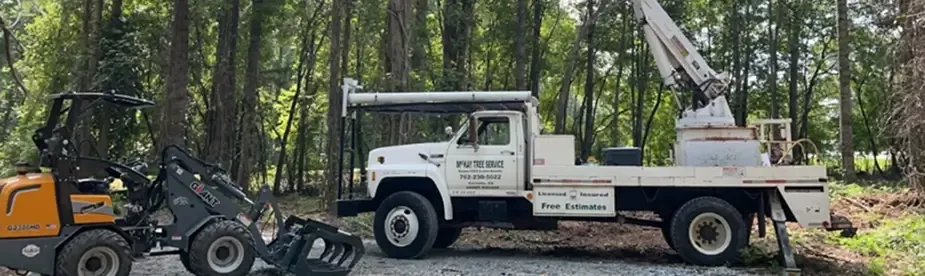
- For especially large or tricky trees, a crane may be used to lift pieces safely away.
4. Clean-Up
The crew will cut the trunk into manageable pieces, chip the branches, and clean up all debris. Some services will leave firewood for you if you ask. Others will haul everything away.
Is Tree Removal Safe?
Yes, if done by trained professionals. Tree removal involves sharp tools, large equipment, and potentially dangerous trees. That’s why you should never try it yourself. A reliable company will have safety gear, proper insurance, and experience dealing with tough situations.
If your tree is near a power line, don’t touch it. Call the utility company or a certified service that knows how to handle it safely.
How Emergency Tree Removal Is Different
Emergency tree services aren’t like regular tree work. It’s for situations where a tree is posing an immediate danger, usually after storms, high winds, or unexpected failures. Unlike scheduled removals, emergency jobs need to happen fast, often the same day, and sometimes in difficult conditions like rain, darkness, or blocked access.
The emergency removals are usually more complex. The tree may be tangled in power lines, leaning on a home, or split and unstable. Crews use special equipment, like cranes or rigging systems, and take extra safety steps to avoid further damage. Because of the urgency and higher risk, emergency removals can cost more than routine jobs—but they prevent bigger problems like roof collapses, injuries, or downed utilities.
If you think a tree might be dangerous, don’t wait. Call a professional who offers 24/7 emergency tree services and can assess the risk right away.
Do You Need a Permit?
In most parts of Cornelia and Habersham County, you can remove a tree from your own property without a permit. But there are exceptions:
- Trees in protected conservation areas
- Old or historically important trees
- Trees near public roads or sidewalks
- Large-scale removals that may cause erosion
Some neighborhoods also have HOA rules, especially in newer developments. Always check first—either with your HOA or the city’s planning department. If you’re unsure, a local tree service can usually help with this.
Choosing the Right Tree Removal Company
Not all tree services are the same. Here’s how to choose the right one in Habersham County:
- Make sure they’re insured (both liability and workers’ comp)
- Ask for local references
- Get a written estimate that explains what’s included
- Make sure they have the right equipment
- Ask about clean-up and stump removal
- Don’t go with the cheapest quote—go with the most experienced team
Be cautious if someone shows up at your door after a storm offering quick tree removal. Reputable companies don’t operate like that.
What About Stump Removal?
Once the tree is gone, you have options:
- Stump Grinding: The most common choice. The stump is ground down below surface level.
- Full Removal: More intensive, but removes all roots. Better if you’re planning to plant something new.
- Leave It: You can leave the stump, but it may rot over time and attract pests.
A professional can walk you through the best option based on your property and future plans.
Can the Tree Be Saved Instead?
In many cases, yes. If your tree is still mostly healthy but has some damaged branches or minor leaning, trimming might be all you need. Strategic pruning can reduce weight on weak limbs, improve balance, and encourage regrowth.
Late winter to early spring is the best time for tree trimming in Georgia, but light work can be done during summer too.
If you’re unsure whether your tree needs to be removed or just trimmed, the best step is to get a professional opinion. A local expert will understand the soil, weather, and tree species in your area—and help you decide what’s best for your property.
Need expert tree removal in Cornelia or anywhere in Habersham County? Contact McKay Tree Service at 762-230-5022 for a free estimate.