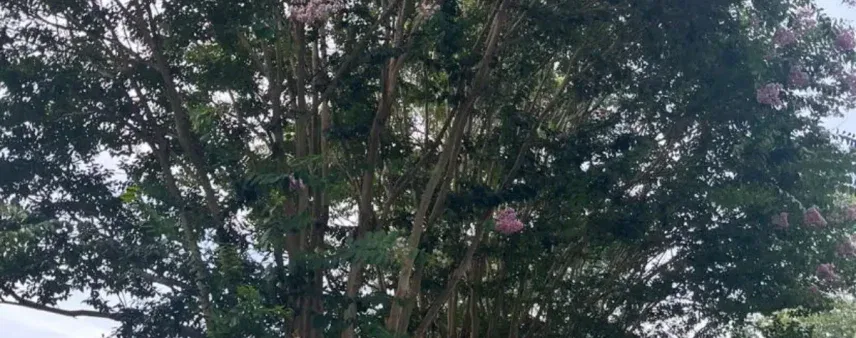
Dense thicket of overgrown brush encroaching on a Habersham County home.

When Overgrown Brush Becomes a Property Hazard in Habersham County

Key Takeaways: Fire Ignition: Dry brush acts as a ladder fuel, allowing ground fires to climb into the tree canopy. Pest Breeding: Overgrowth provides the perfect habitat for ticks, snakes, and rodents near your home. Property Damage: Invasive vines and thickets can trap moisture against structures, leading to rot. Drainage Issues: Unmanaged vegetation clogs natural […]

CONTINUE READING from When Overgrown Brush Becomes a Property Hazard in Habersham County

fallen tree on house after storm in North Georgia emergency removal

When Should You Call for Emergency Tree Removal?

Key Takeaways Immediate Hazards: Any tree in contact with power lines, leaning precariously over a structure, or blocking emergency access requires immediate professional intervention. Structural Red Flags: Deep trunk cracks, hollow cavities, and lifting root plates are signs of “imminent failure.” The Post-Storm Audit: High winds and heavy rains often reveal hidden weaknesses; a post-storm […]

CONTINUE READING from When Should You Call for Emergency Tree Removal?

Oak tree root plate heave after Gainesville GA rainstorm

How Heavy Rain Can Affect Tree Stability in Gainesville, GA

Key Takeaways: Soil Liquefaction: Heavy rain turns Georgia’s dense clay into a soft, unstable medium that loses its grip on heavy root systems. Increased Load: A rain-soaked canopy can add thousands of pounds of weight, shifting the tree’s center of gravity. Root Heave: Visible lifting of the soil near the trunk is a critical indicator […]

CONTINUE READING from How Heavy Rain Can Affect Tree Stability in Gainesville, GA

tree inspection in Habersham County GA identifying storm damage risk

Don’t Wait for the Gust: Pre-Spring Tree Inspections in Habersham County

Key Takeaways: The “Spring Surge” Risk: Georgia’s spring weather brings high-velocity wind gusts and heavy rains that test the structural integrity of dormant trees. Early Detection: Inspecting trees before the “leaf-out” phase allows for a clearer view of structural cracks, hollows, and fungal growth that are often hidden by summer foliage. The “Sail Effect”: Dense, […]

CONTINUE READING from Don’t Wait for the Gust: Pre-Spring Tree Inspections in Habersham County

oak wilt leaf bronzing on red oak tree in Northeast Georgia

Oak Wilt in Northeast GA: Is Your Oak Tree at Risk?

Key Takeaways: The Pathogen: Oak Wilt is caused by the fungus Bretziella fagacearum, which invades the tree’s water-conducting system, effectively “clogging” its ability to survive. Red vs. White Oaks: Red Oaks (like Northern Red and Pin Oaks) can die within weeks of infection, while White Oaks (like White and Post Oaks) may decline more slowly […]

CONTINUE READING from Oak Wilt in Northeast GA: Is Your Oak Tree at Risk?

Overhanging tree branches above a roof and driveway in Northeast Georgia, creating property risk

Tree Branches Over Roofs and Driveways: What to Watch For

Tree branches hanging over roofs and driveways are one storm away from turning into costly damage. In Northeast Georgia, heavy rain, ice events, and fast-growing trees make overhanging limbs far more dangerous than most homeowners realize. Knowing what warning signs to look for and when professional removal is necessary can prevent roof damage, vehicle loss, […]

CONTINUE READING from Tree Branches Over Roofs and Driveways: What to Watch For

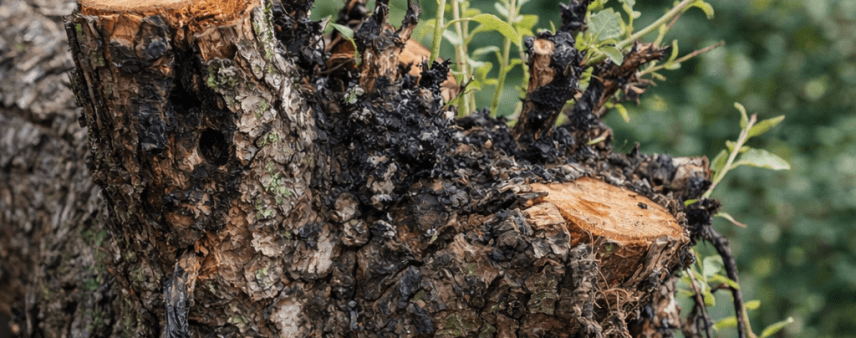
Tree-topping damage is causing weak branch growth and decay

Tree Trimming Mistakes That Cause Long-Term Damage

Improper tree trimming can turn a helpful maintenance task into a long-term problem for your landscape. Many homeowners, attempting to save money or simplify their yard work, unknowingly make critical mistakes that lead to irreversible damage, disease, and even tree mortality. Understanding these common errors is the first step toward protecting your valuable trees and […]

CONTINUE READING from Tree Trimming Mistakes That Cause Long-Term Damage

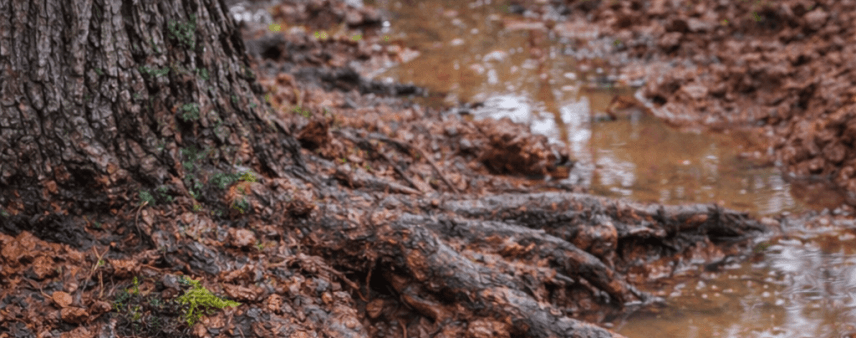
Waterlogged soil around tree roots, showing overwatering damage in Georgia clay soil

Overwatering Trees: How Too Much Water Can Cause Root Failure

Overwatering is one of the most common and most misunderstood causes of tree failure in Georgia. According to the University of Georgia Extension, root rot diseases are among the most damaging in Georgia landscapes. Our characteristic red clay holds moisture for days after rain, creating waterlogged conditions that can suffocate a root system before above-ground symptoms […]

CONTINUE READING from Overwatering Trees: How Too Much Water Can Cause Root Failure

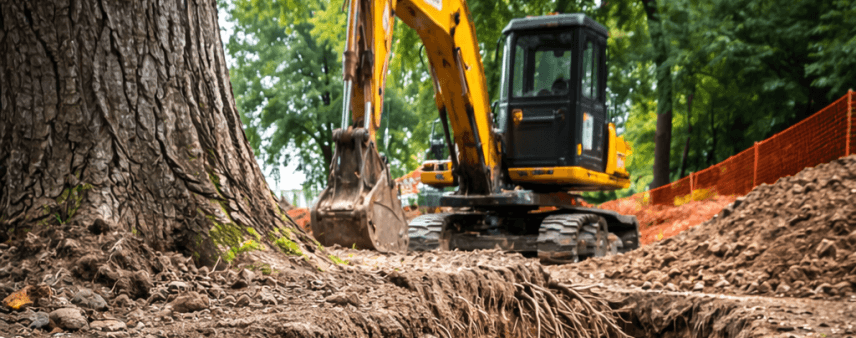
Tree root damage caused by construction trenching

How Construction and Trenching Impact Tree Health Long Term

Planning a construction project or trenching work on your Northeast Georgia property? It’s easy to overlook the silent, long-term impact these activities can have on your existing trees. While immediate damage like a scraped trunk is obvious, the real threat often lies hidden beneath the surface, slowly compromising a tree’s health for years to come. […]

CONTINUE READING from How Construction and Trenching Impact Tree Health Long Term

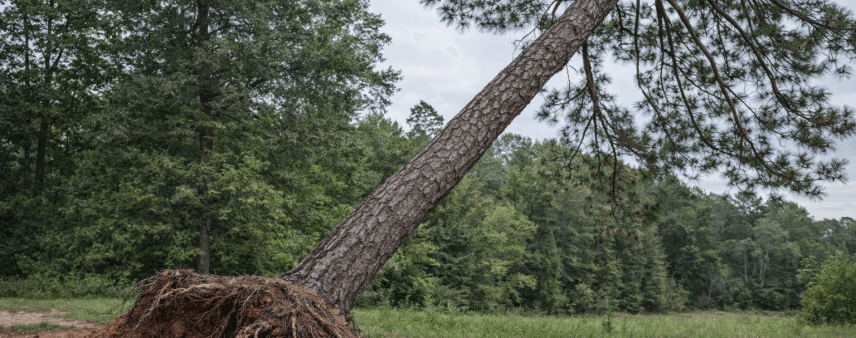
Leaning loblolly pine tree showing a shallow root system in Northeast Georgia clay soil

Loblolly Pine Problems in Northeast Georgia: Leaning, Root Failure & Safety Risks

Loblolly pines in Northeast Georgia commonly lean or fail due to shallow root systems in clay soil, saturated ground after heavy rain, strong winds, and stress from pests like the Southern Pine Beetle or diseases such as Fusiform rust. When roots lose stability or decay develops, these tall pines can fail suddenly, making professional evaluation […]

CONTINUE READING from Loblolly Pine Problems in Northeast Georgia: Leaning, Root Failure & Safety Risks